

How to Save Water on Backpacking Meals: A Guide
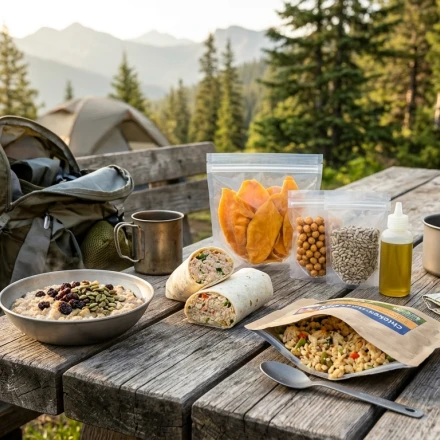
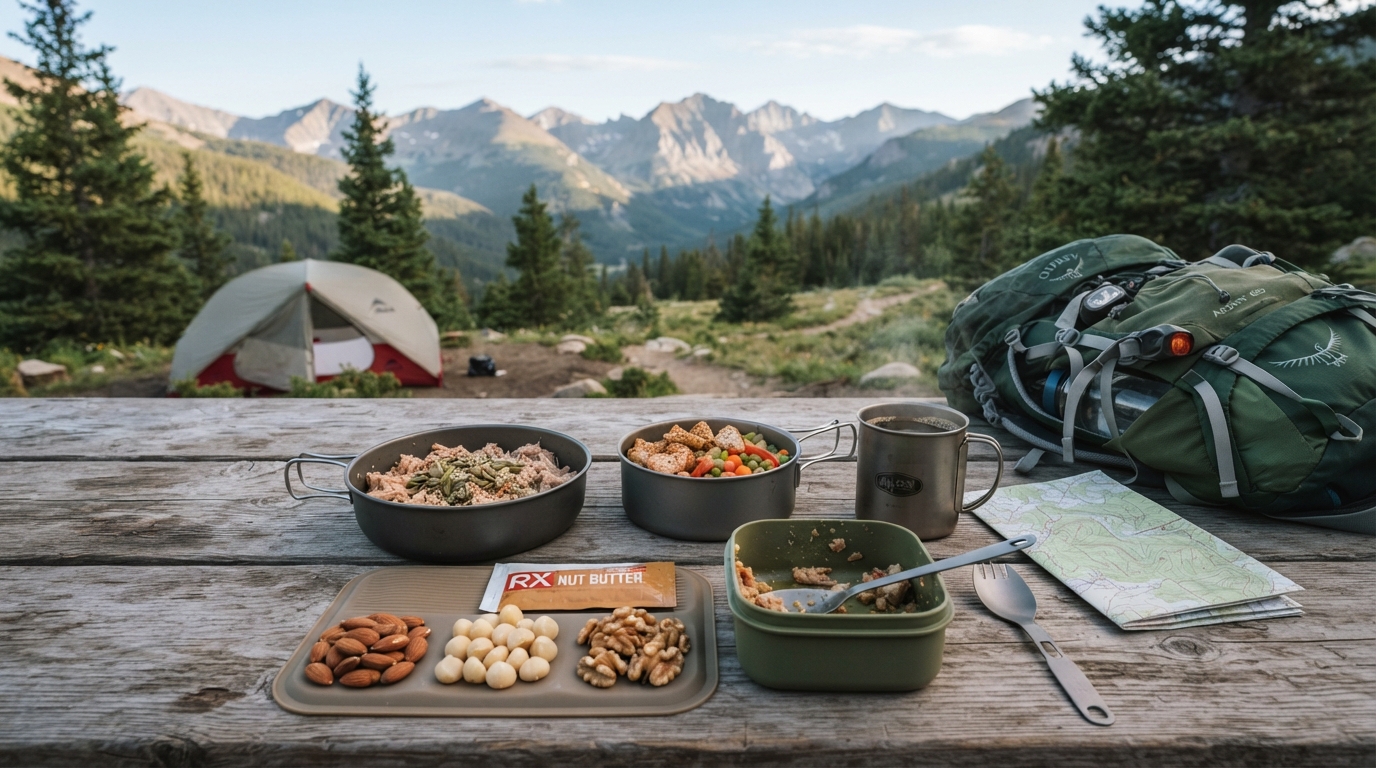
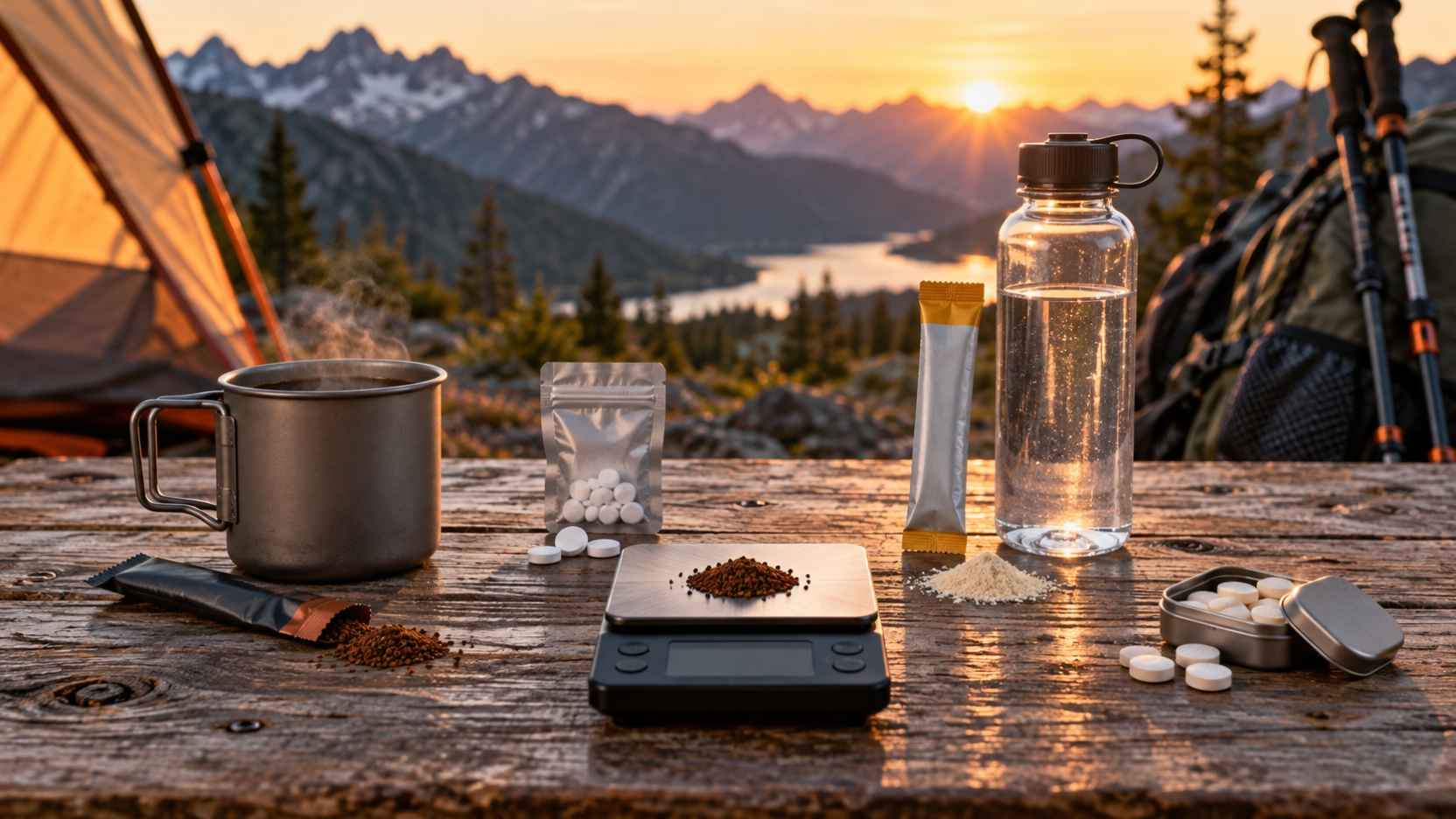
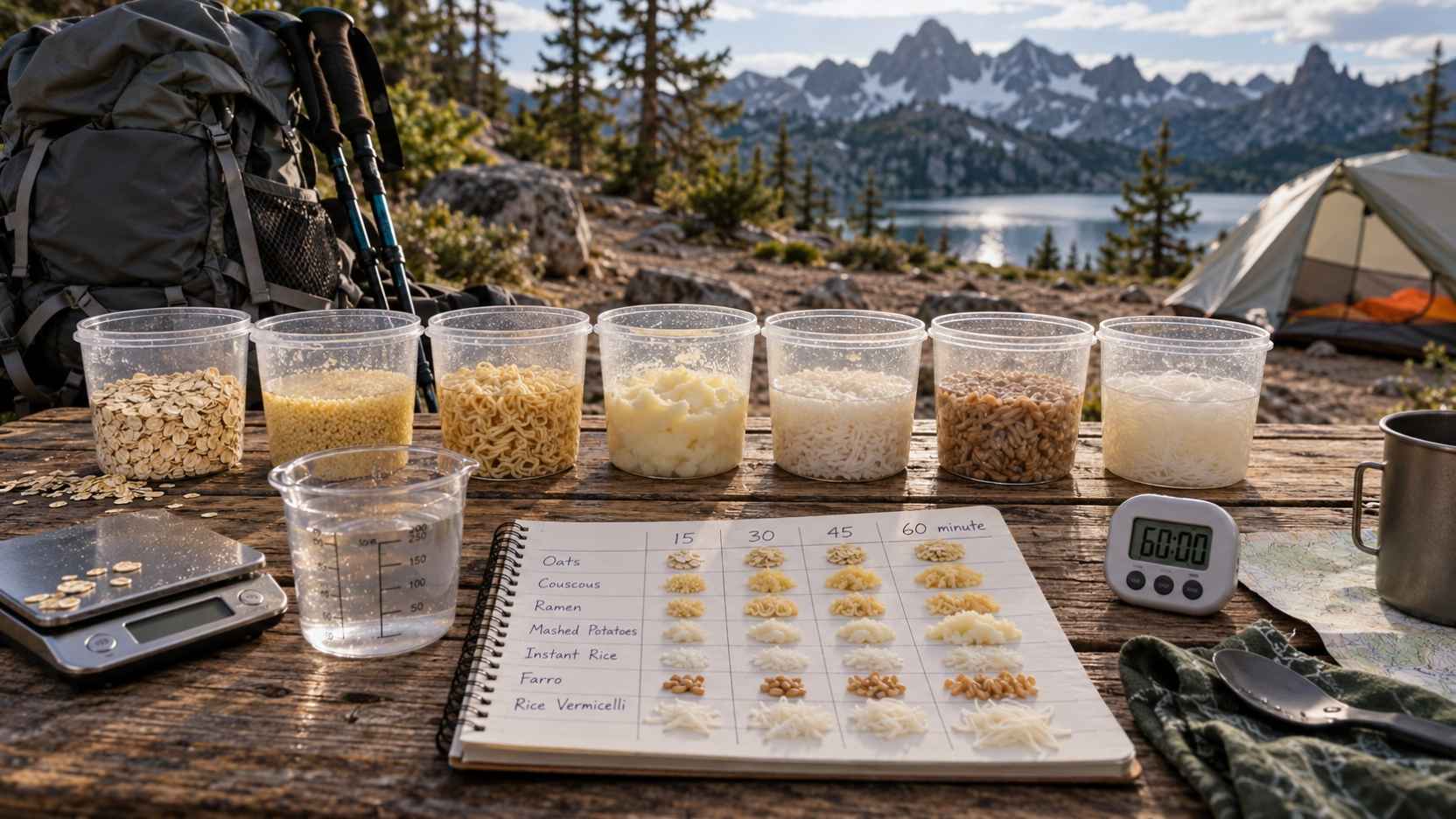
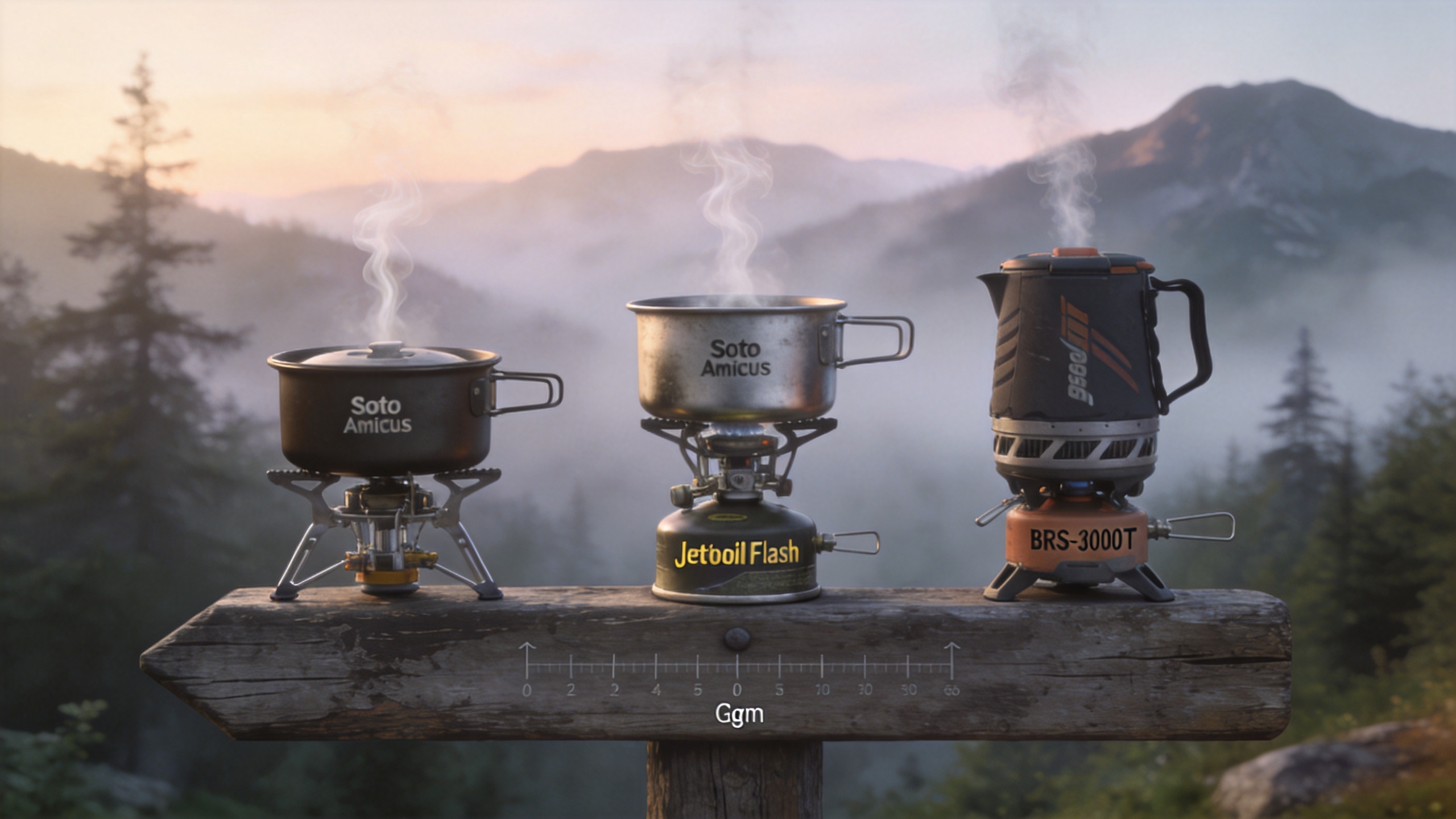
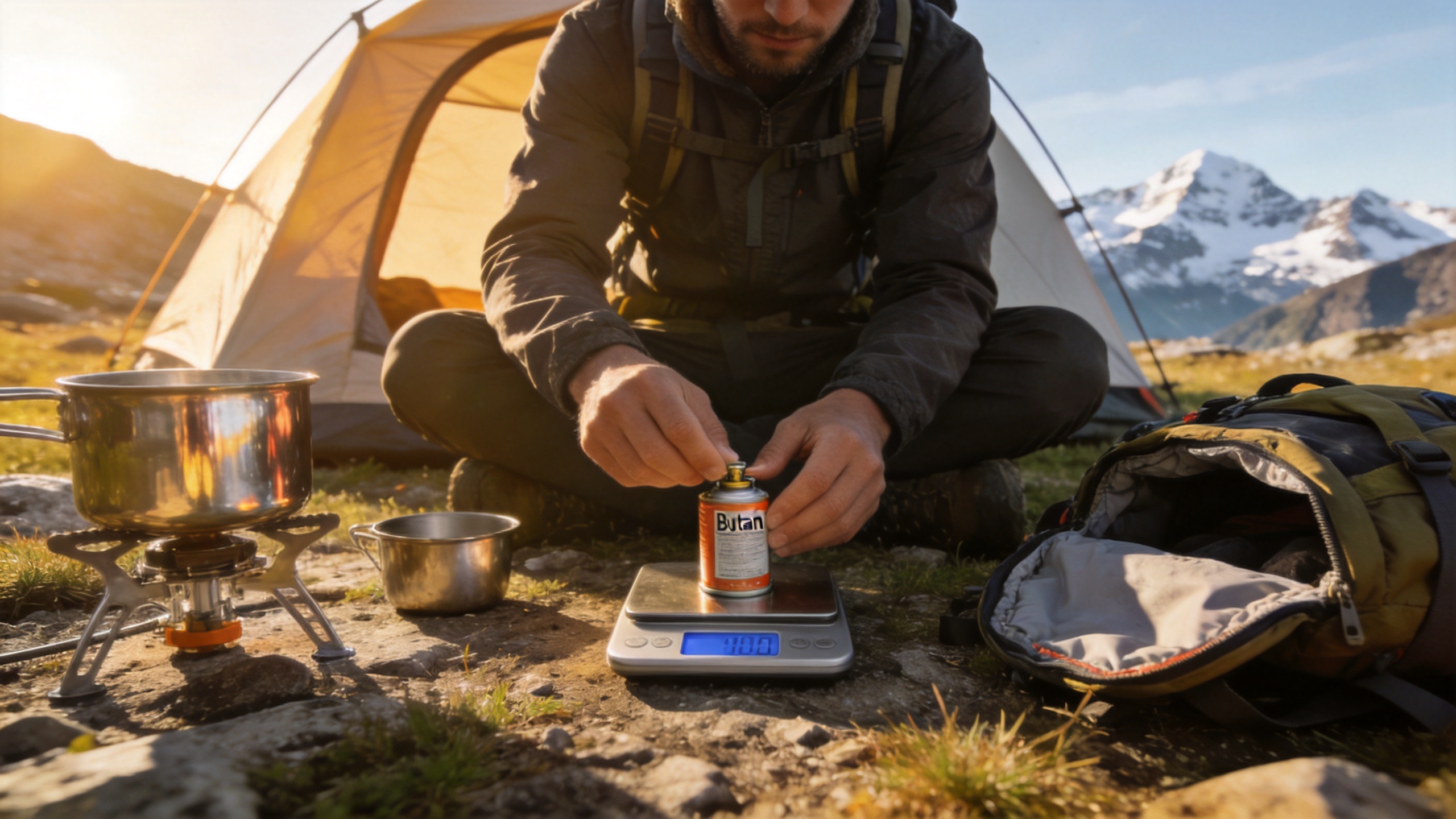
Water is the heaviest item in your pack, yet most backpackers carry far more than they need by wasting it on meals. This guide breaks down the difference between cooking water and hydration water, then shares field-tested techniques like cold-soaking,…
Freeze-Dried vs Real Food: Which Saves More Water?
Every ounce you carry into the backcountry or stash in your emergency kit comes with hidden costs—water, weight, and decision fatigue. When comparing freeze-dried meals to ready-to-eat wet food, the trade-offs extend far beyond a simple label. This deep…
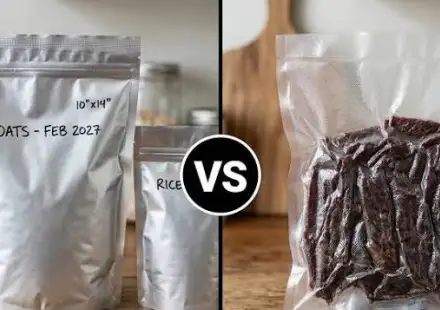
Vacuum-Sealed or Oxygen-Free? Choosing the Right Storage Method for Homemade Trail Food
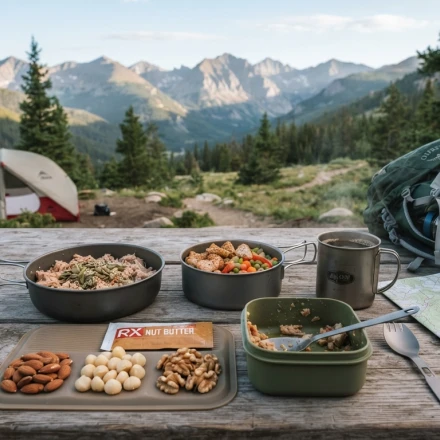
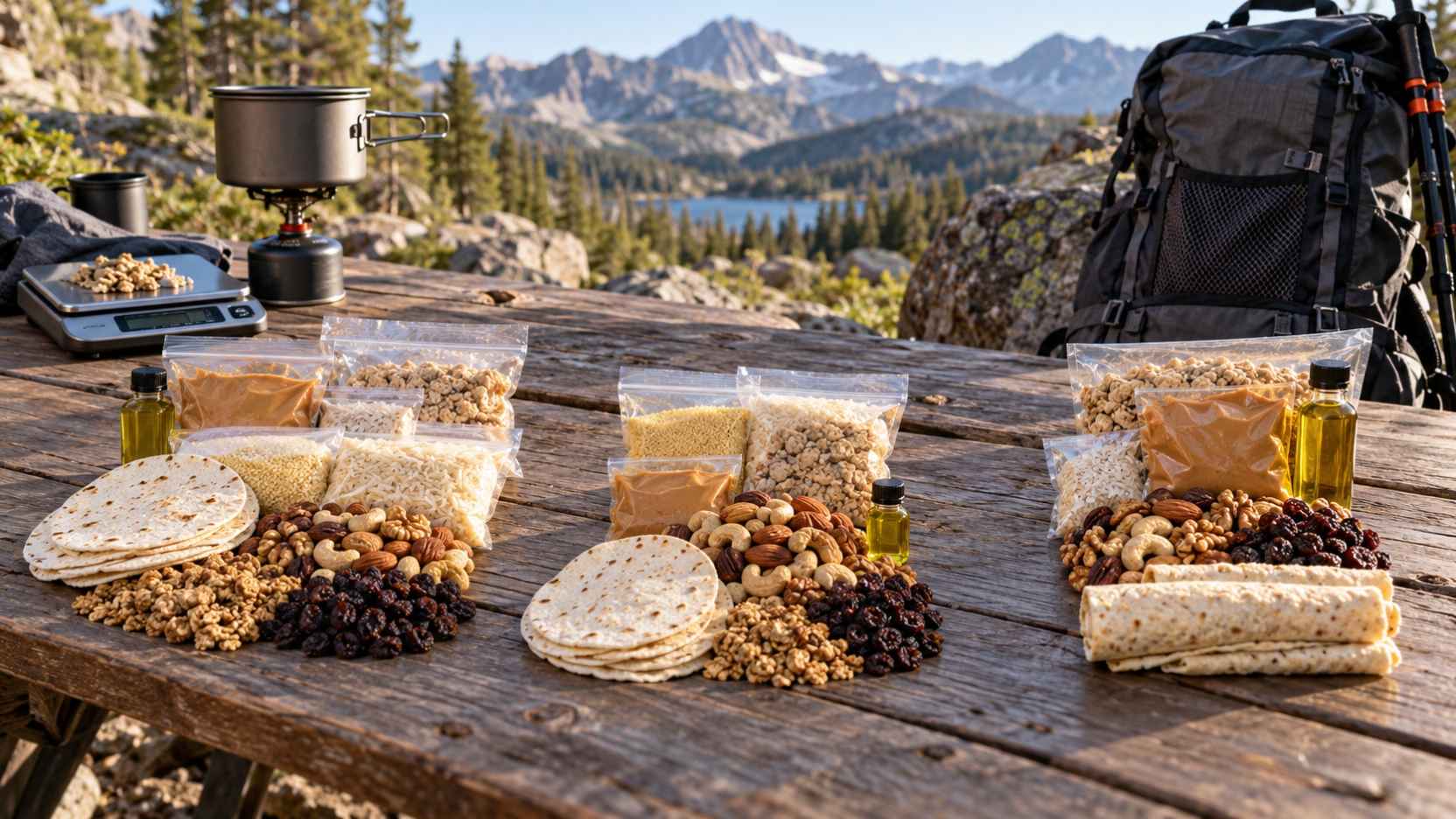
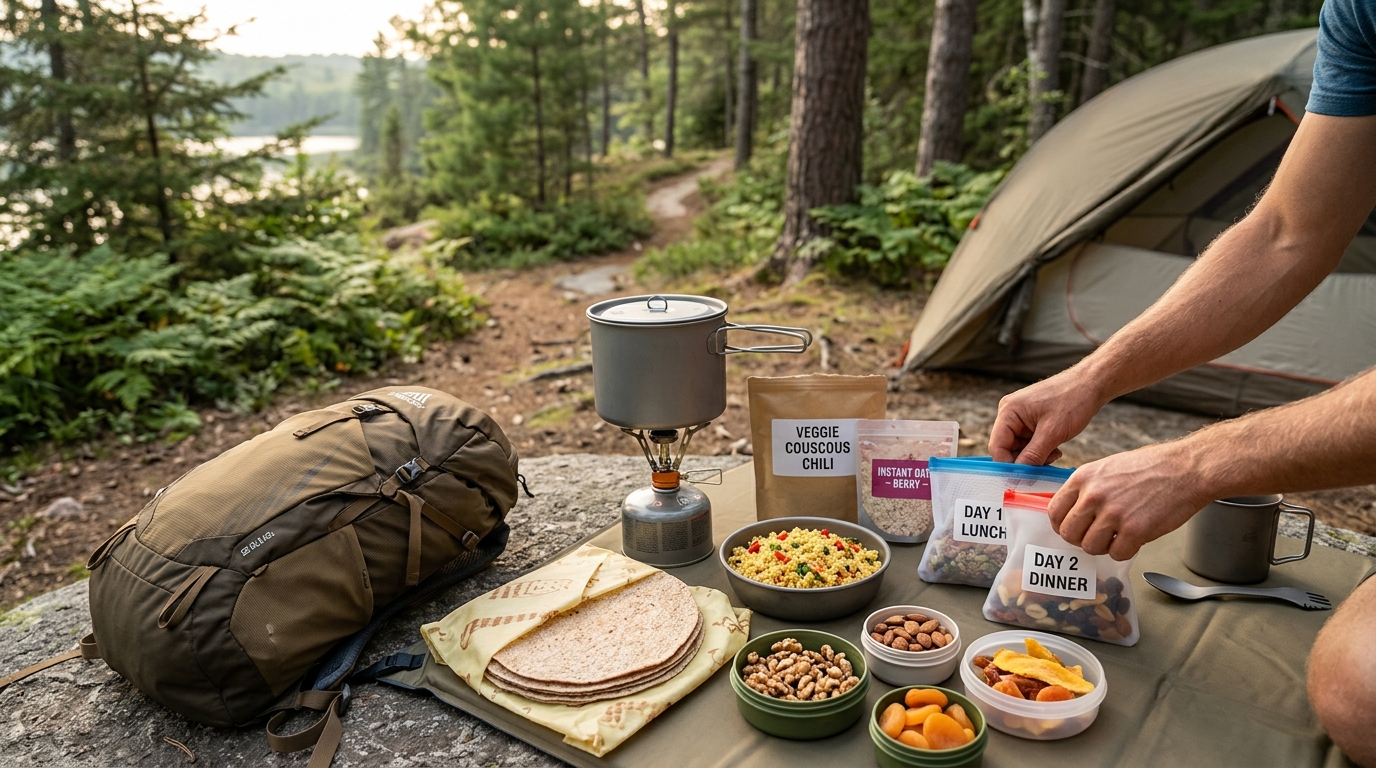
Making your own backpacking food can be cheaper, more customizable, and more satisfying than buying every meal from a specialty outdoor store. You can dehydrate vegetables, portion trail mix, prepare homemade snacks, and package ingredients according to…
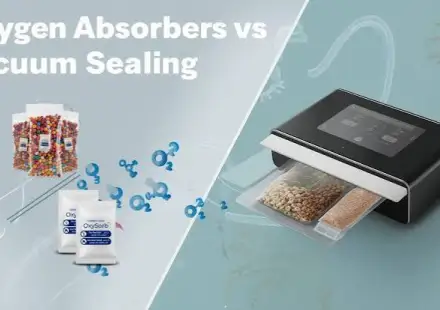
Oxygen Absorbers vs. Vacuum Sealing: Which Is Better for Storing Trail Food?
If you prepare your own backpacking food, you have probably encountered two popular storage methods: oxygen absorbers and vacuum sealing. Both are designed to reduce exposure to oxygen, but they work in different ways. One removes air mechanically before…
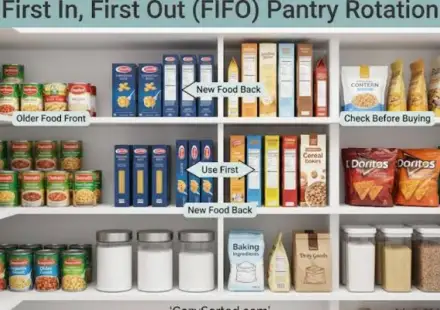
The Backpacking Food Rotation Method: How FIFO Prevents Waste and Forgotten Trail Meals
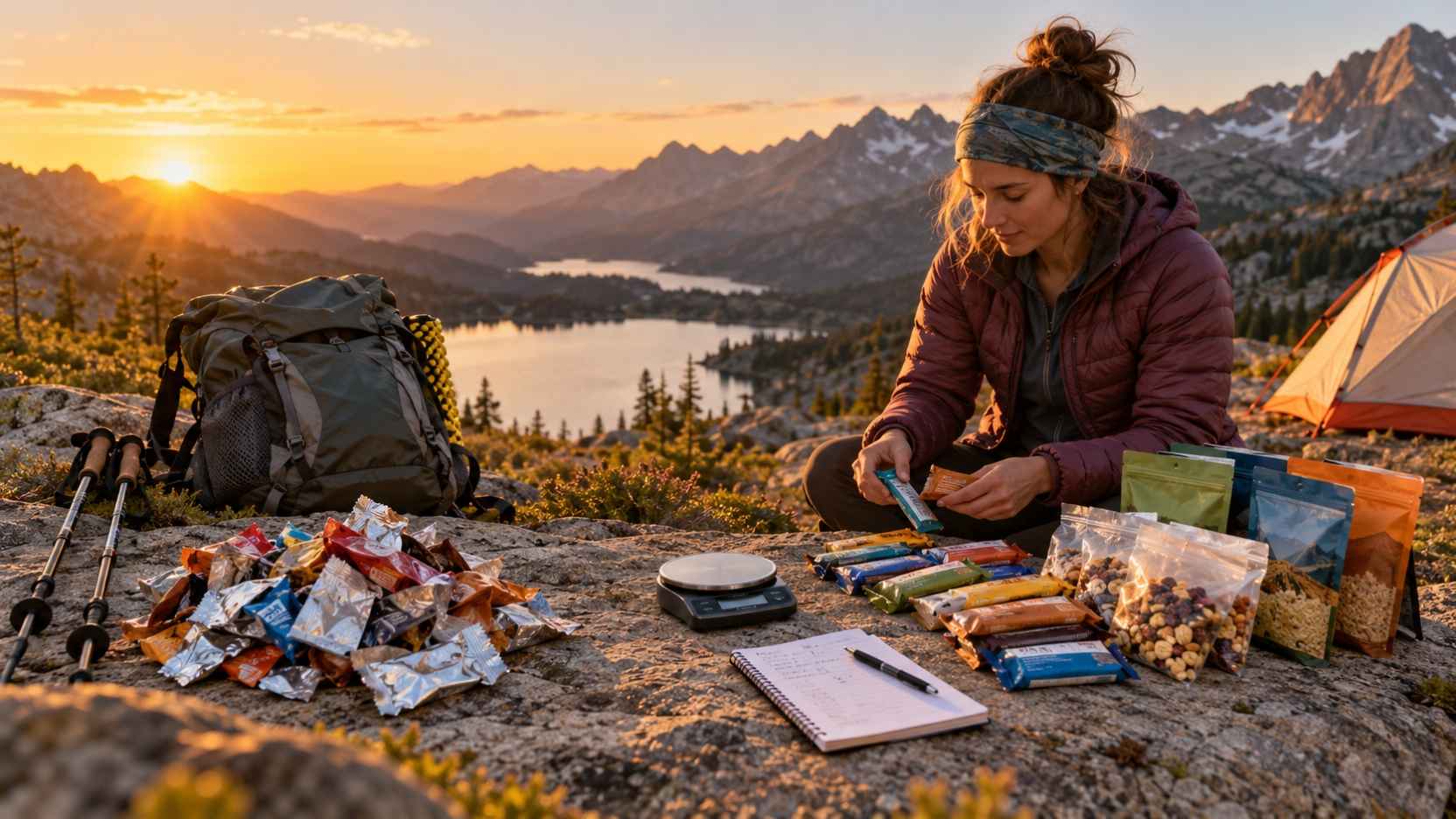
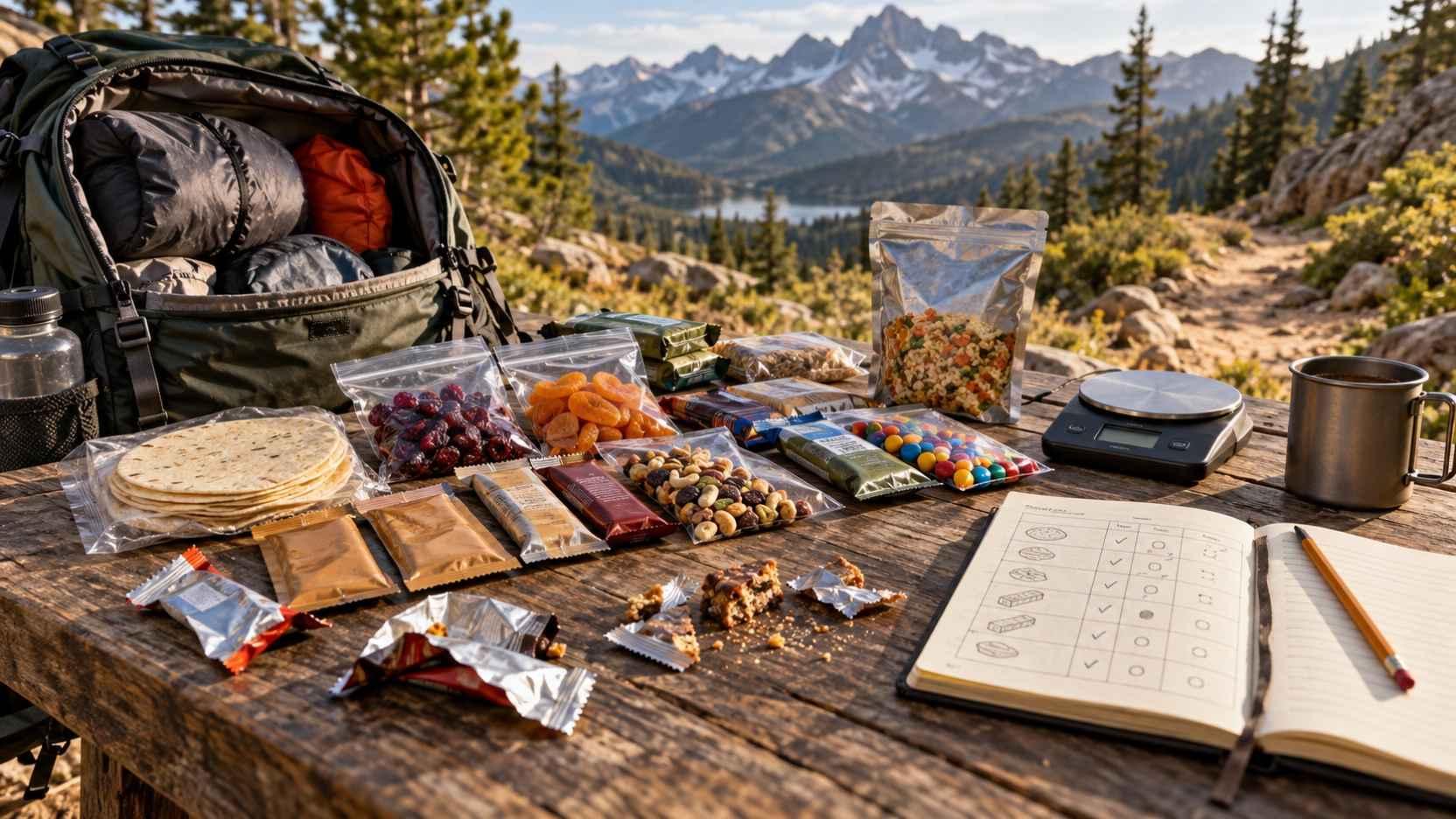
A well-stocked backpacking pantry sounds like a great idea until you realize that you have no idea what is hiding in the back. Maybe there are freeze-dried meals from two years ago, several boxes of energy bars, an unopened bag of trail mix, and homemade…
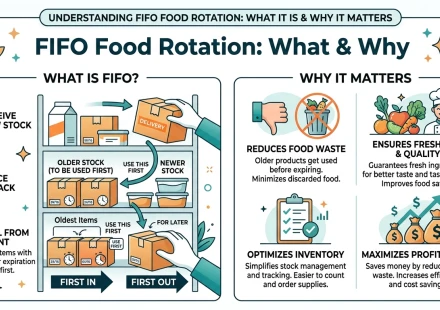
How to Rotate Your Backpacking Food Stash Using a Simple FIFO System
Building a backpacking food stash can make trip planning easier, save money, and prevent last-minute grocery runs. But there is one problem that often appears after the initial excitement of buying trail food: food starts accumulating. You buy several…
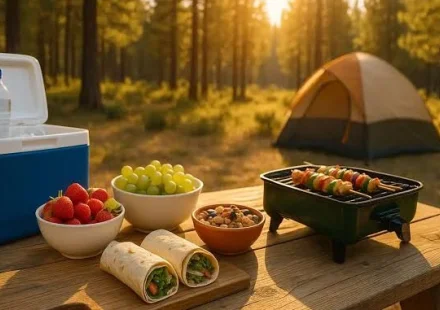
Summer Heat and Backpacking Food: A Practical Guide to Car Storage and Hot-Weather Shipping
Summer is one of the best seasons for backpacking, but it also creates a food-storage problem. A hiking trip may involve several different temperature environments in just a few days. Food might begin in an air-conditioned house, spend hours inside a hot…
Does Heat Ruin Backpacking Food? What Happens in a Hot Car or During Summer Shipping
Backpacking food is designed to be lightweight, convenient, and easy to carry. Many popular trail foods—including jerky, trail mix, dried fruit, crackers, instant meals, and energy bars—can be stored without refrigeration. That makes them ideal for…
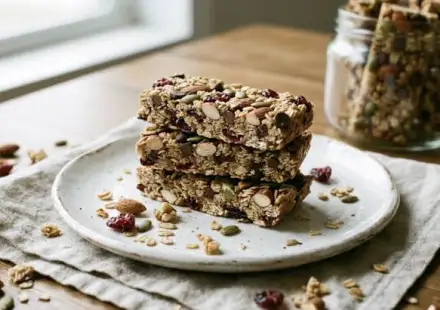
How Long Do Backpacking Snacks Last? The Shelf Life Guide for Trail Mix, Jerky, and Energy Bars
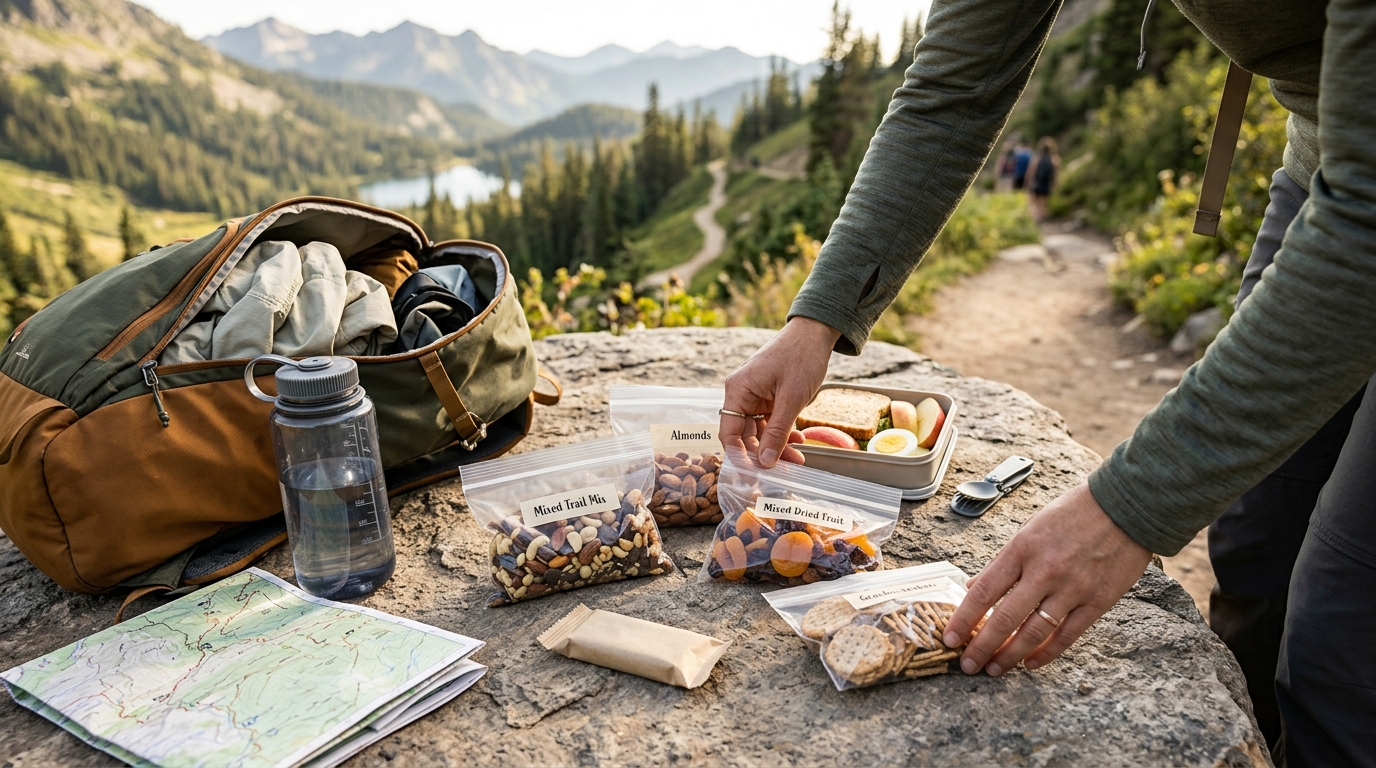
Packing food for a backpacking trip often means choosing foods that are lightweight, calorie-dense, and easy to eat. Trail mix, jerky, and energy bars are among the most popular options because they require little preparation and generally do not need…
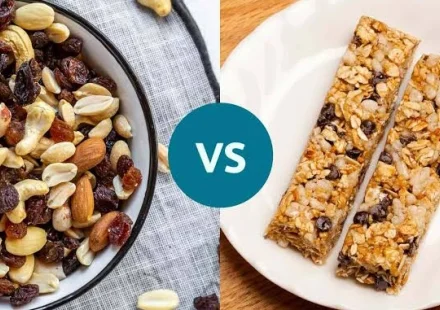
Trail Mix, Jerky, and Energy Bars: A Realistic Shelf Life Chart for Hikers
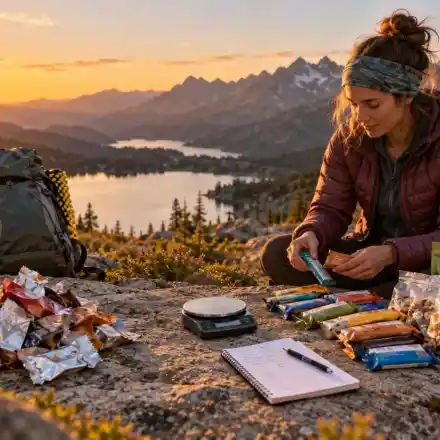
When you’re planning a backpacking trip, shelf life is easy to overlook. A bag of trail mix can sit in the pantry for months, jerky seems almost indestructible, and energy bars often come with dates that make them appear usable for a very long…