
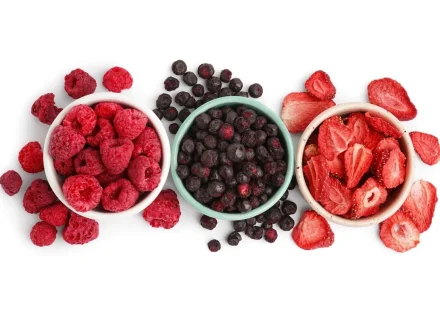
25 Years in the Pantry? What Really Happens to Freeze-Dried Food Over Time
A freeze-dried meal with a 25-year shelf-life sounds almost futuristic. You can buy it today, put it away for an emergency, and theoretically still have food available decades later. But what happens during those decades? Does freeze-dried food actually…
How Long Do Freeze-Dried Meals Really Last? Testing the Truth Behind 25-Year Shelf Life Claims
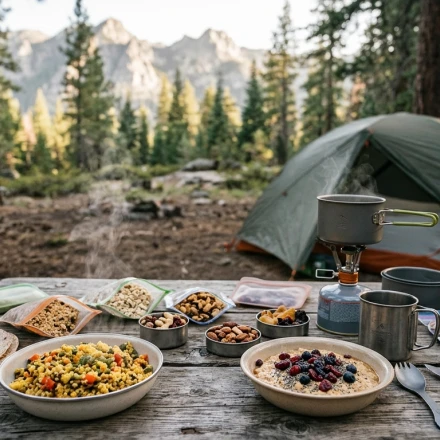
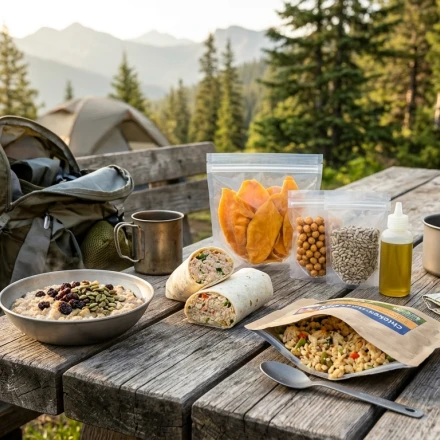
Freeze-dried meals are often marketed as one of the longest-lasting foods available for emergency preparedness, camping, and long-term food storage. Some packages advertise shelf lives of 20, 25, or even 30 years. Those numbers sound impressive, but what…
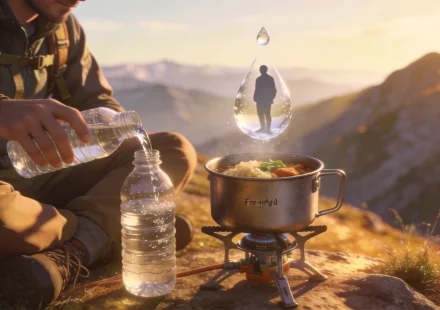
The Truth About Water Needs on Backpacking Trips
Every seasoned backpacker has heard the warning: “Freeze-dried meals demand extra water, so you’ll be carrying a heavier pack.” It sounds logical—add water to powder, and you’ve increased your liquid load. But this well‑intentioned advice is…
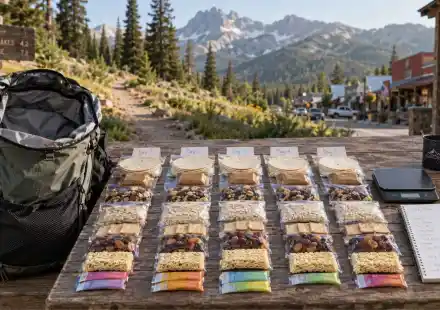
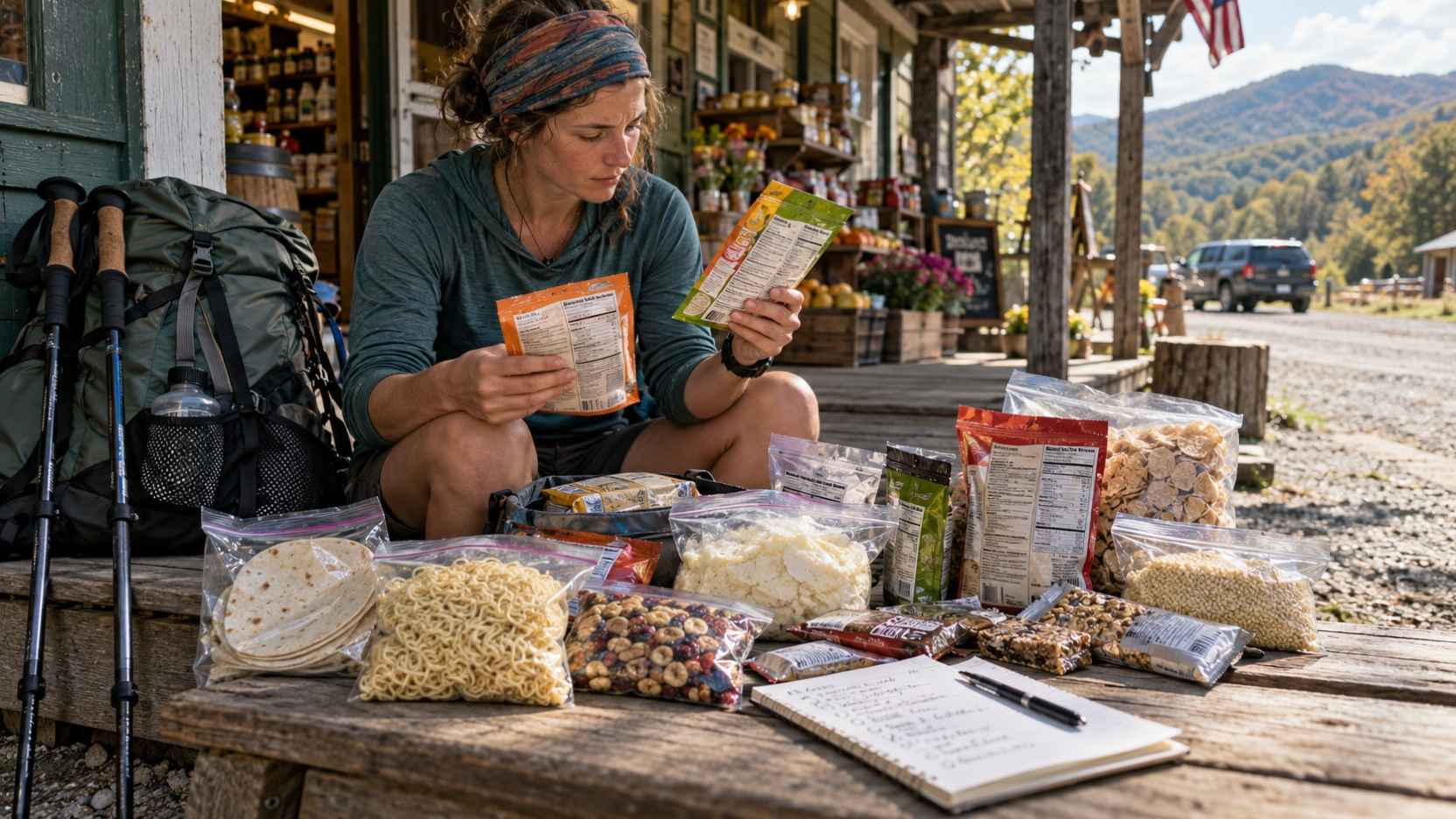
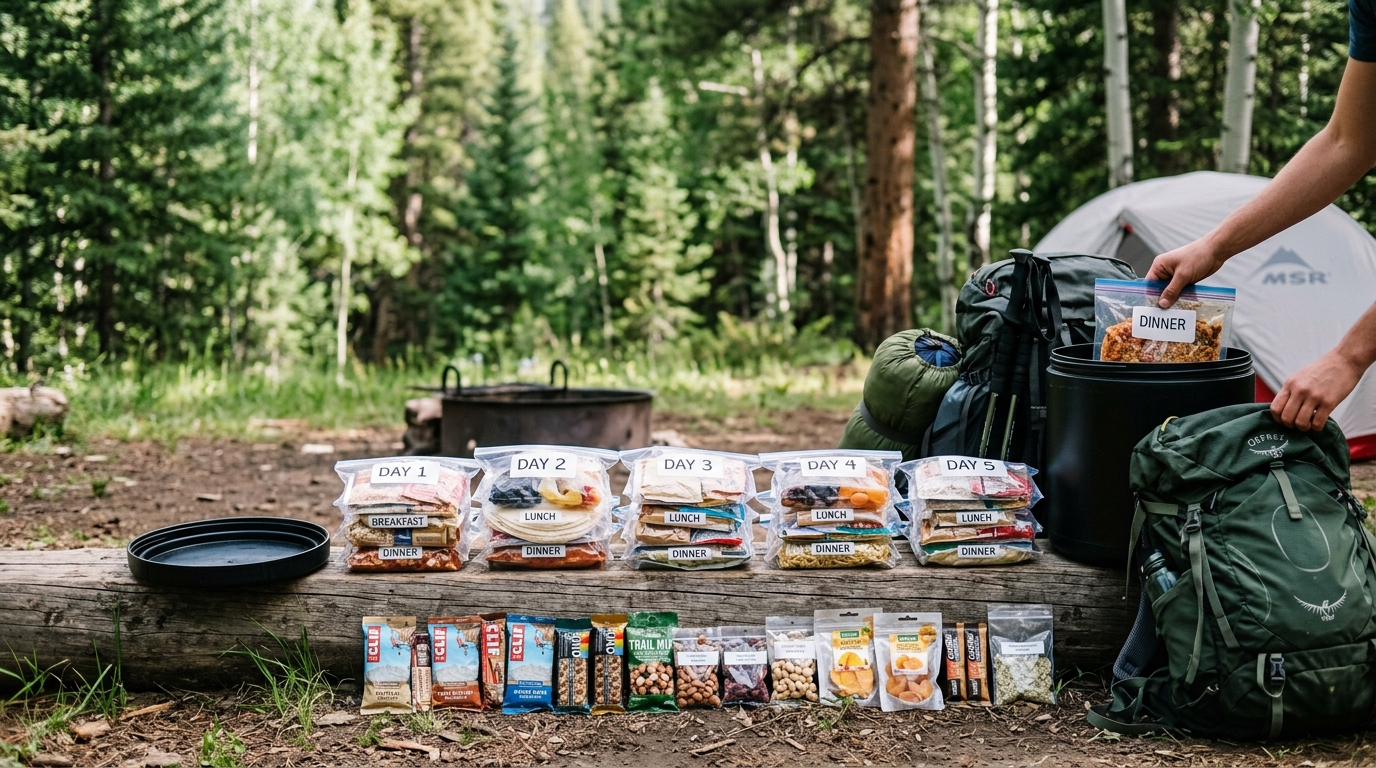
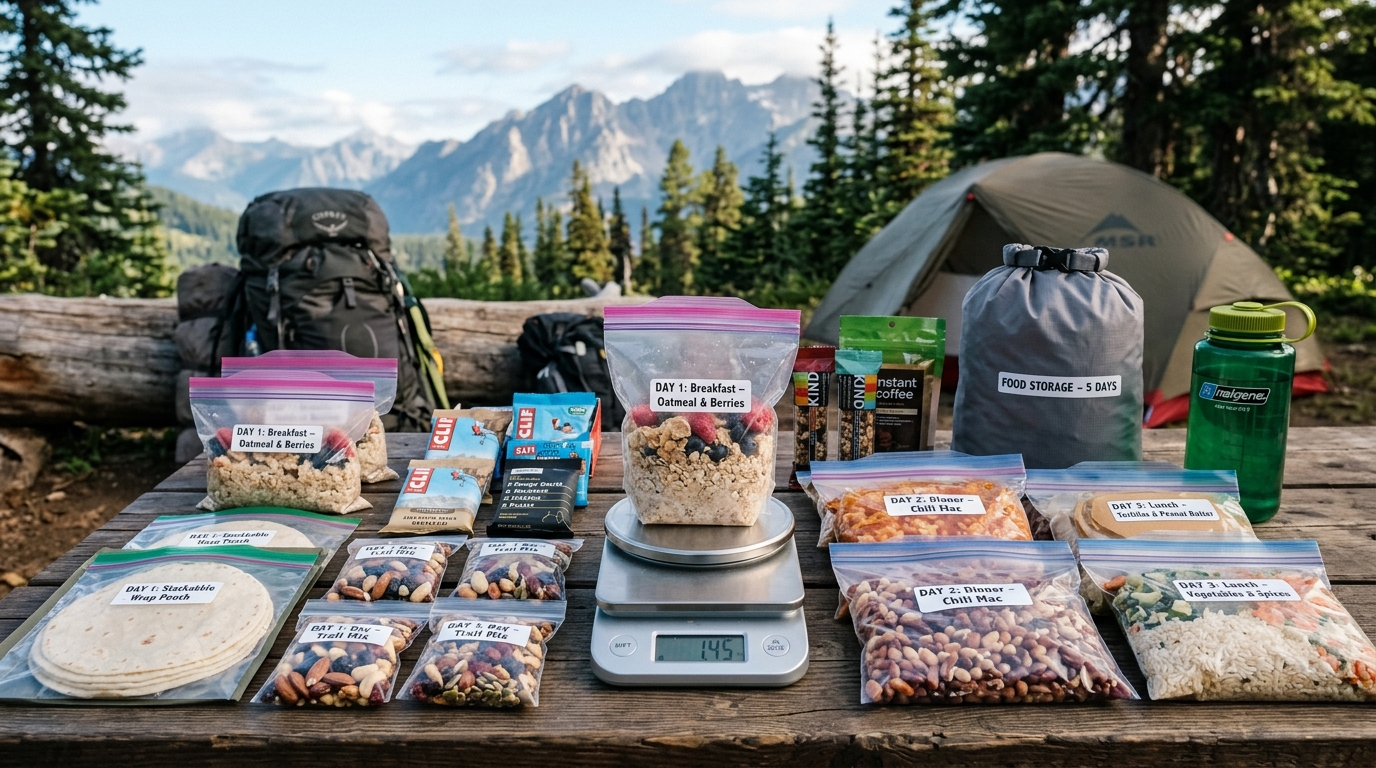
The 5-Day Backpacking Resupply Formula: How Much Food Should You Carry Between Grocery Stops?
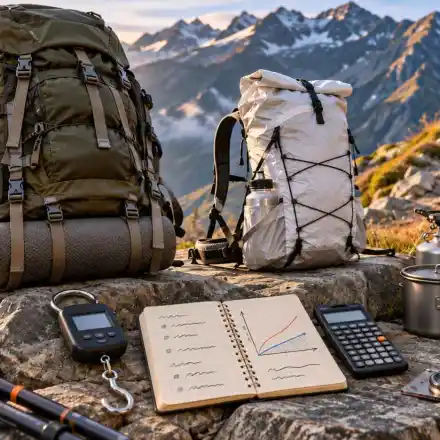
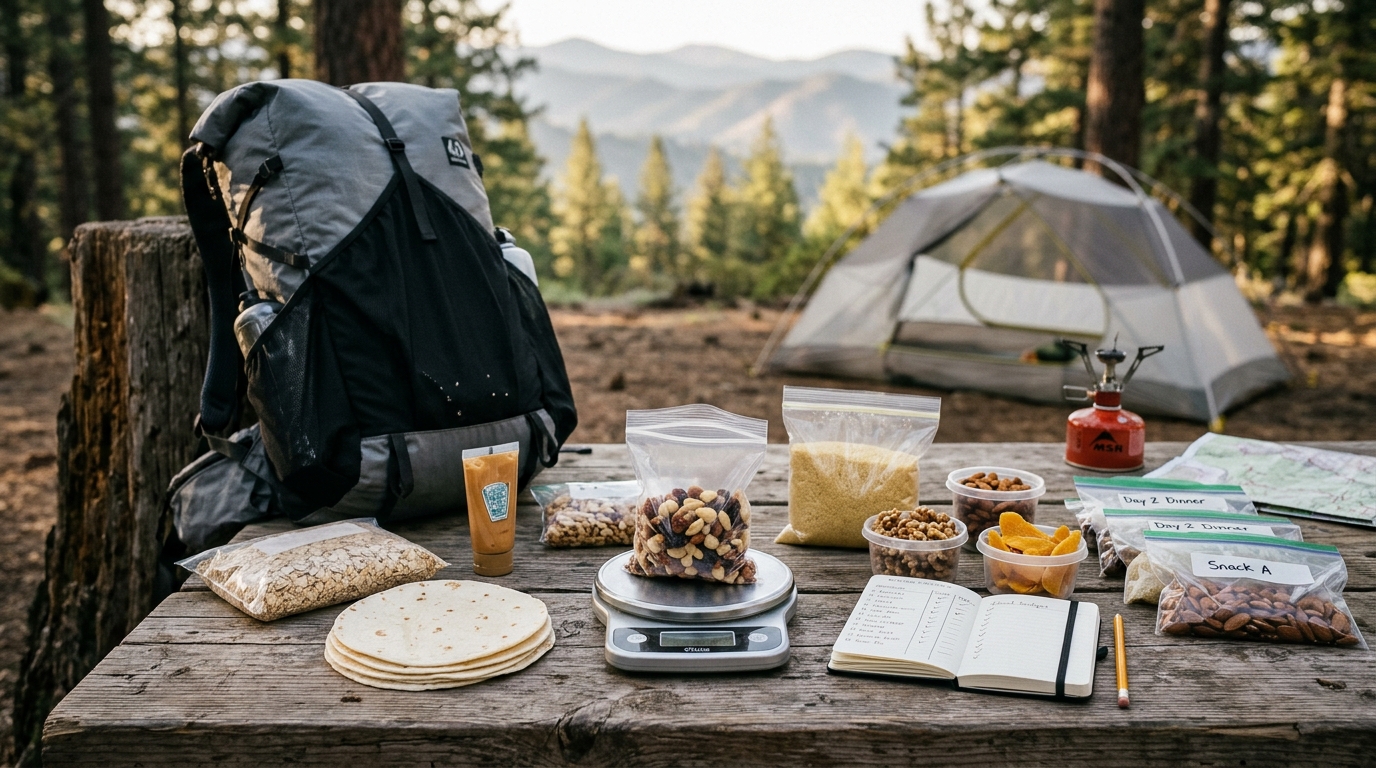
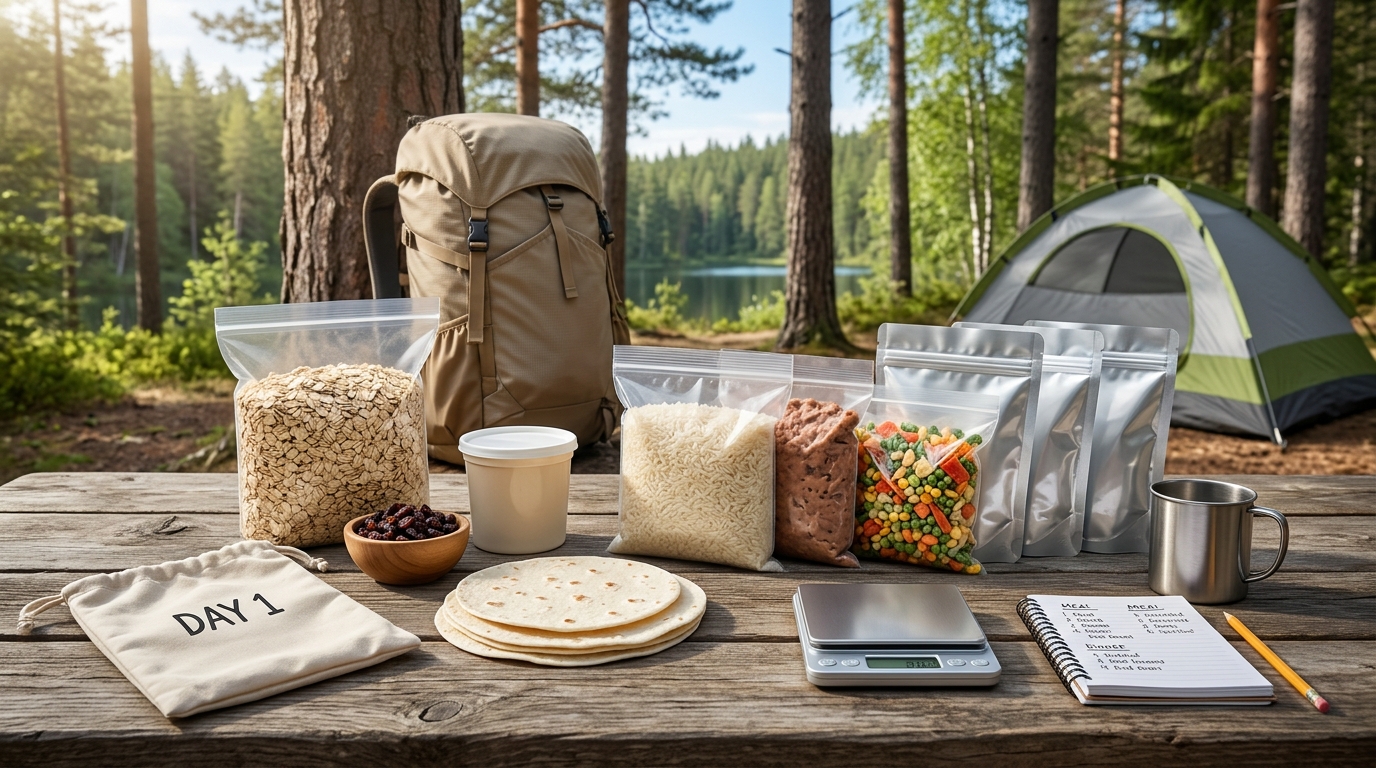
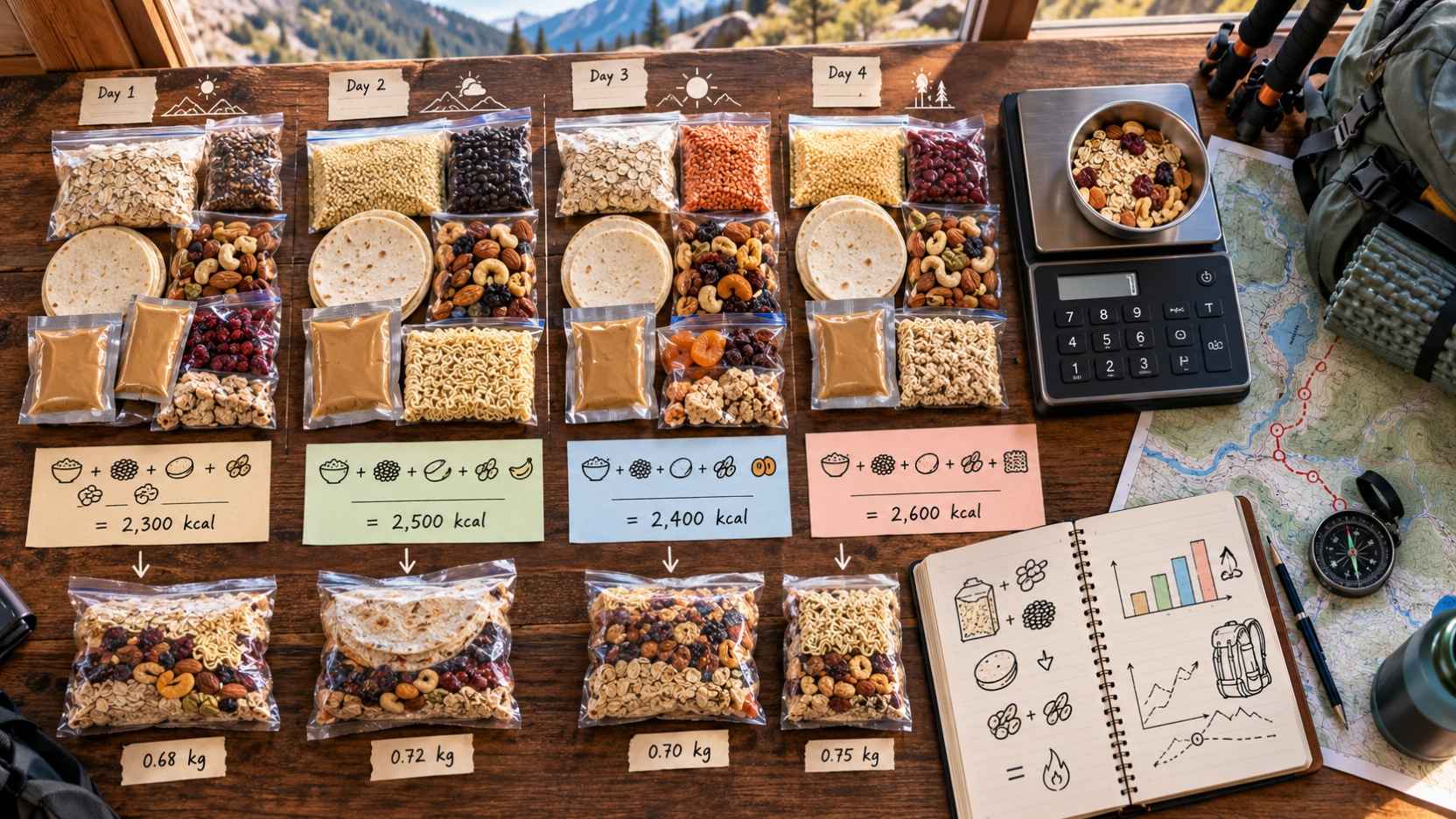
A five-day resupply interval changes backpacking food planning because you are not solving for an entire trip at once. 🎒 You are solving for the largest block of calories you must carry between reliable grocery stops, which makes starting pack weight…
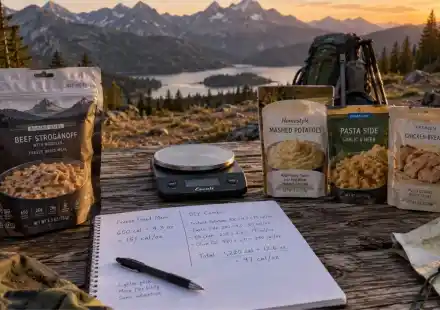
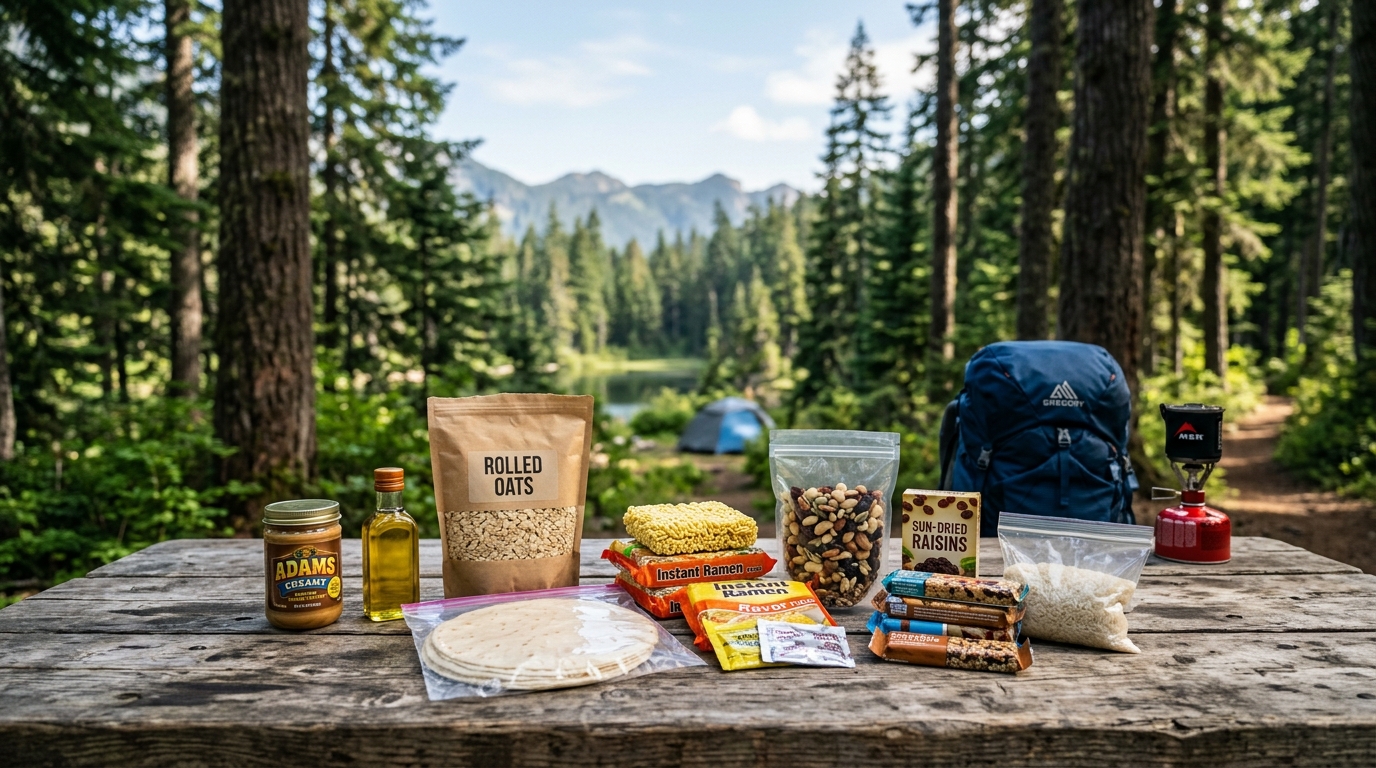
Freeze-Dried Meals vs Grocery Store Trail Food: What Are You Actually Paying For?
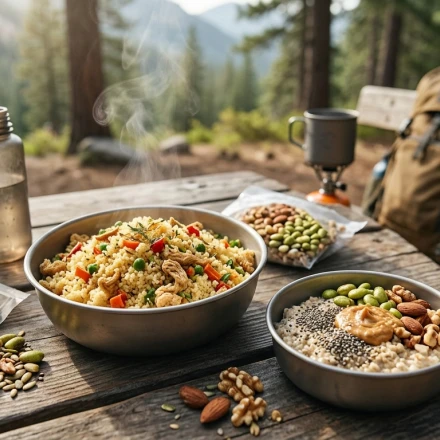
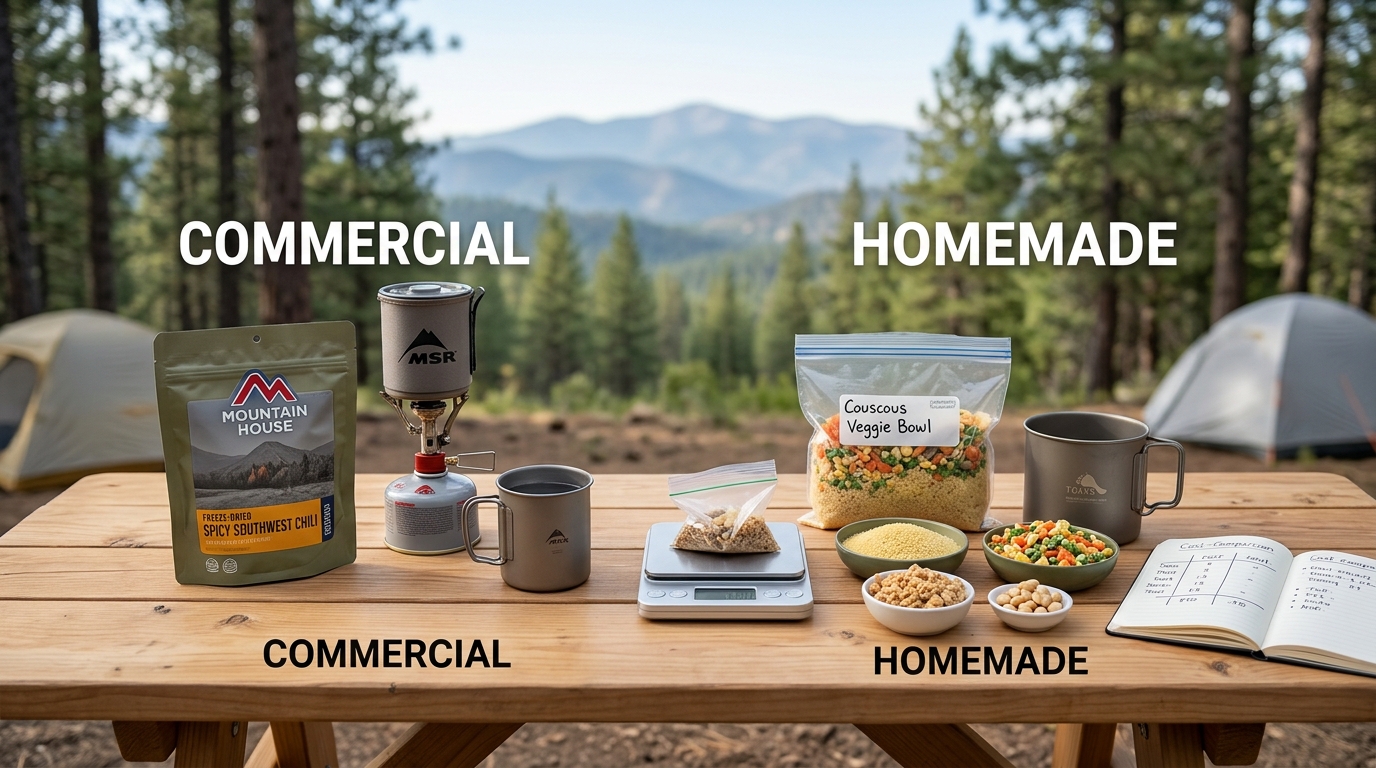
The $12 Backpacking Dinner Question Walk through the backpacking-food aisle and the price difference can feel enormous: a commercial freeze-dried entrée may cost $10 to $15 or more, while instant potatoes, ramen, or pasta sides from a grocery store can…
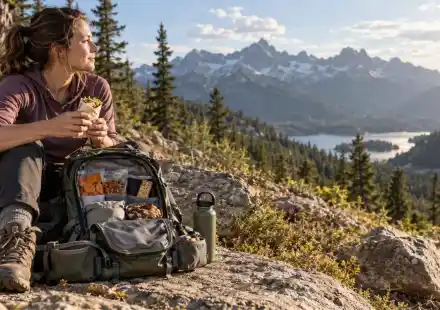
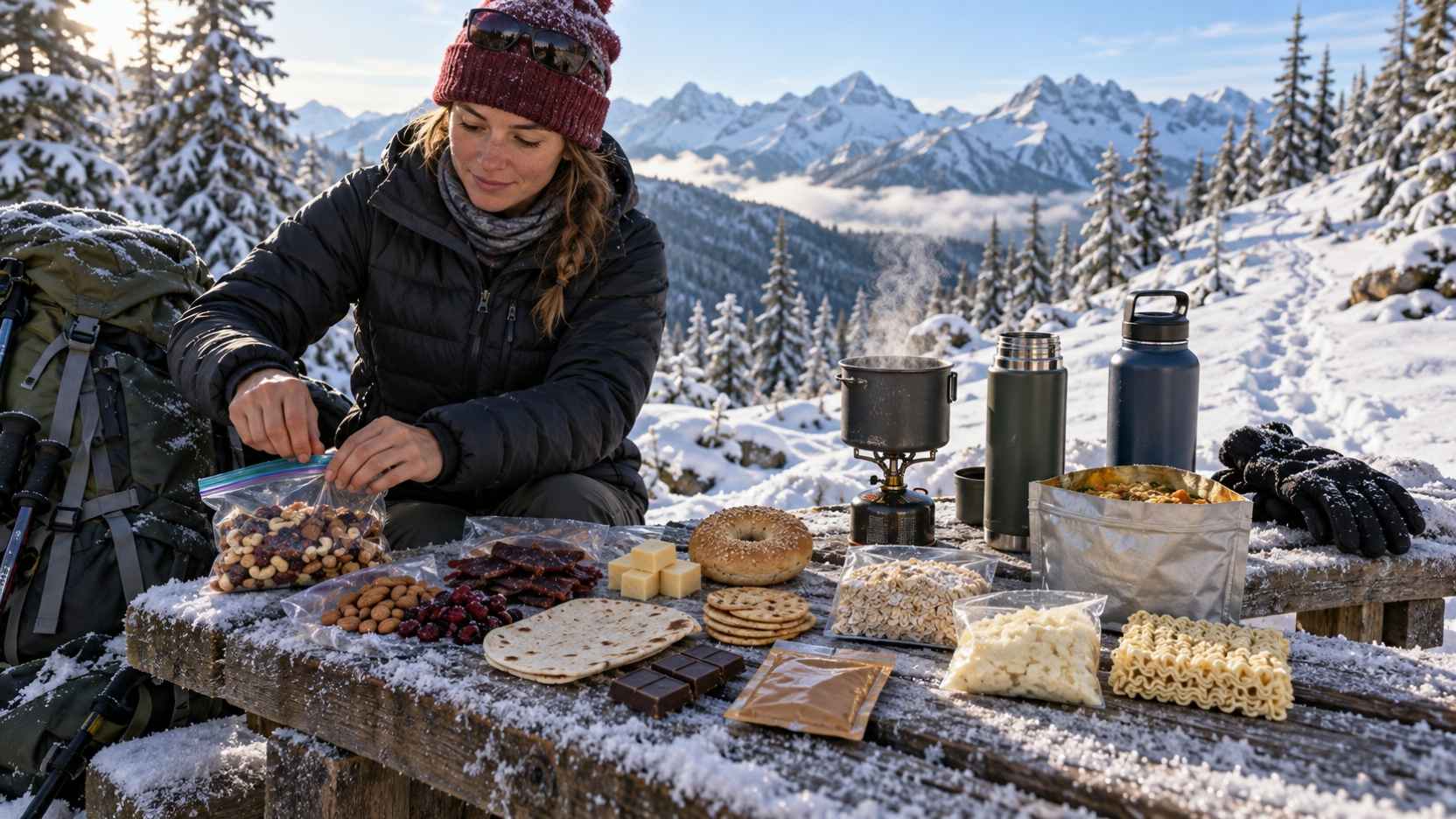
Snack Every Hour or Wait Until You’re Hungry? How to Time Food on a Long Hike
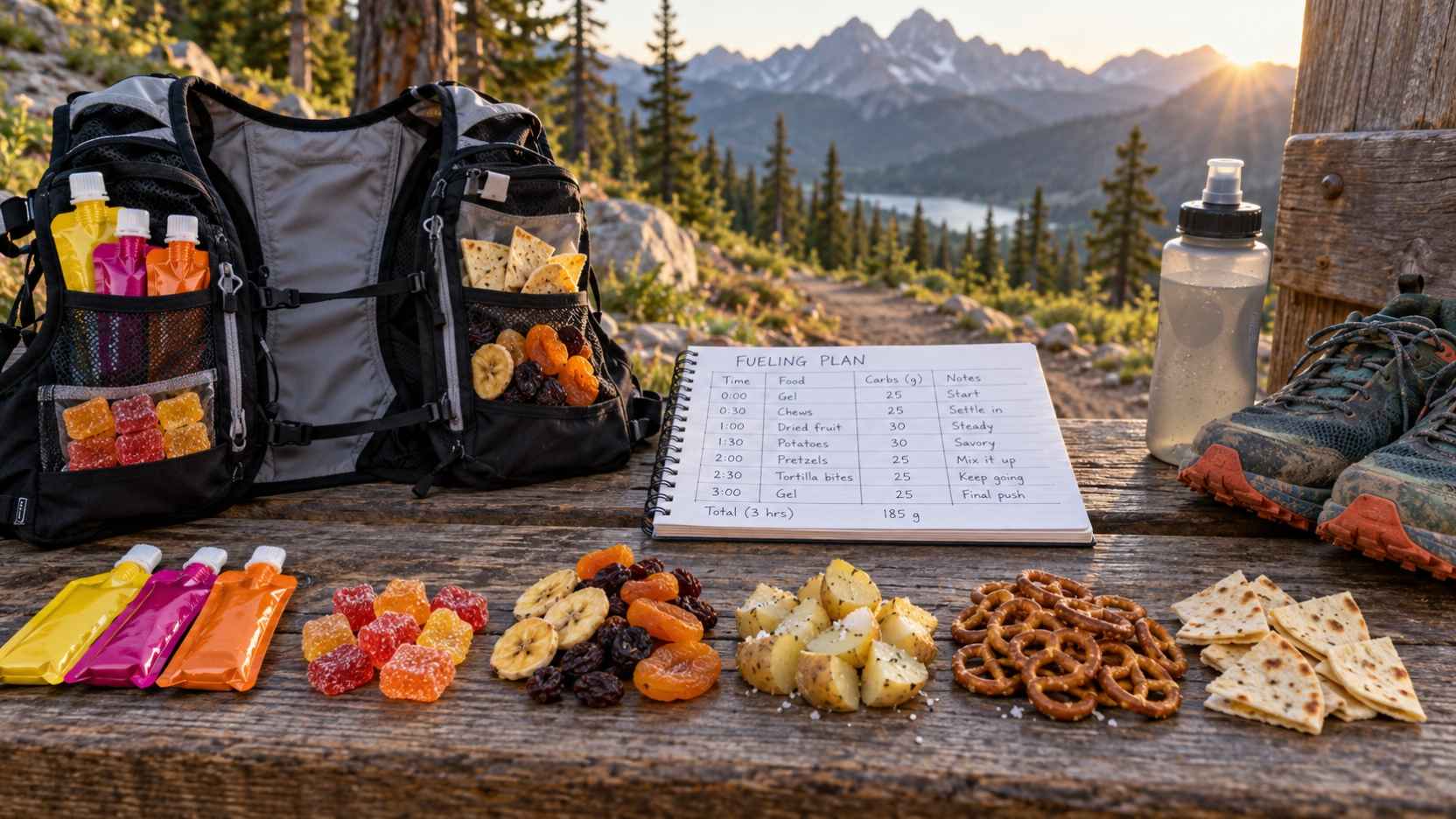
Introduction: There Are Three Ways Hikers Usually Manage Trail Food Ask a group of hikers how often you should eat while hiking, and you will probably hear completely different answers from people who all finish long days successfully. 🥾 Some hikers wait…
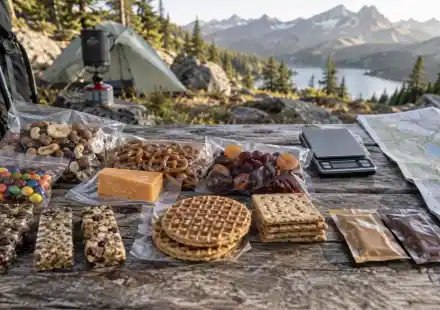
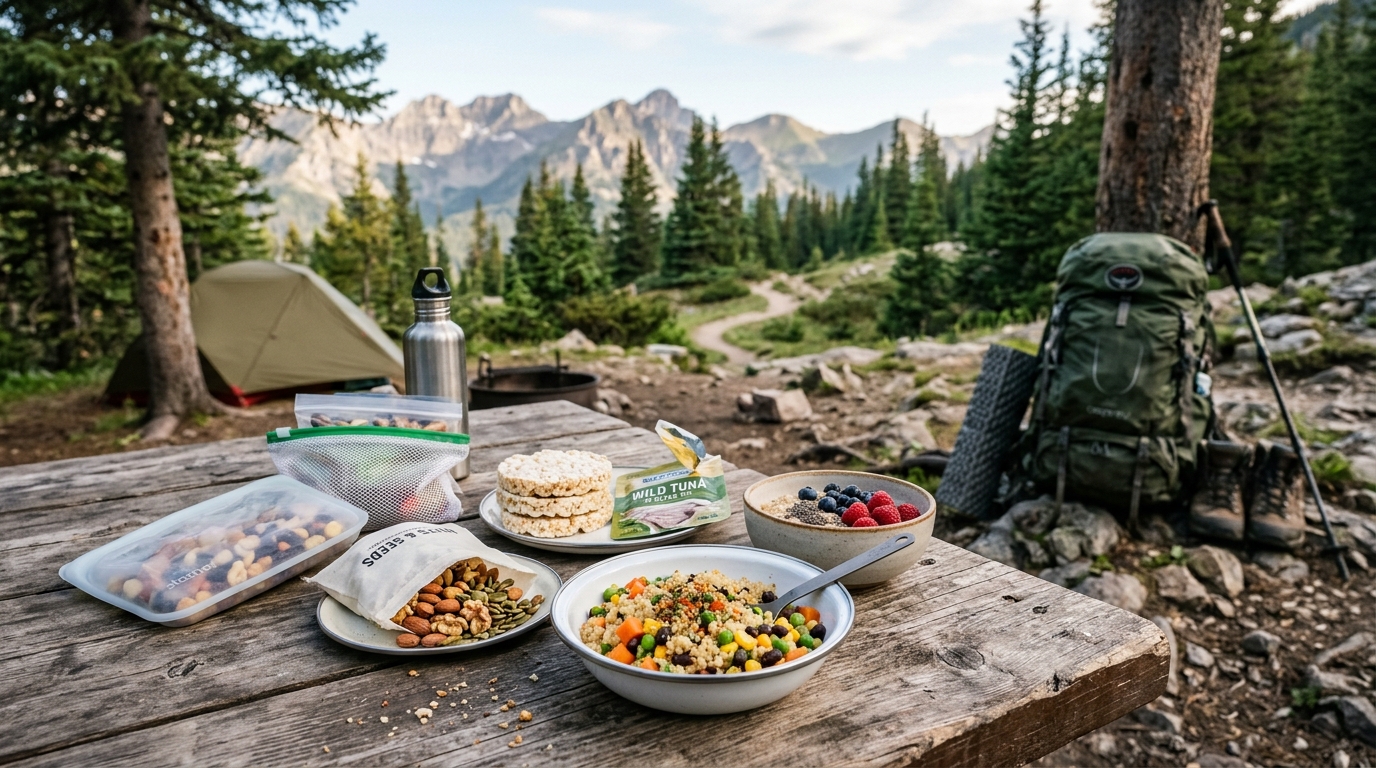
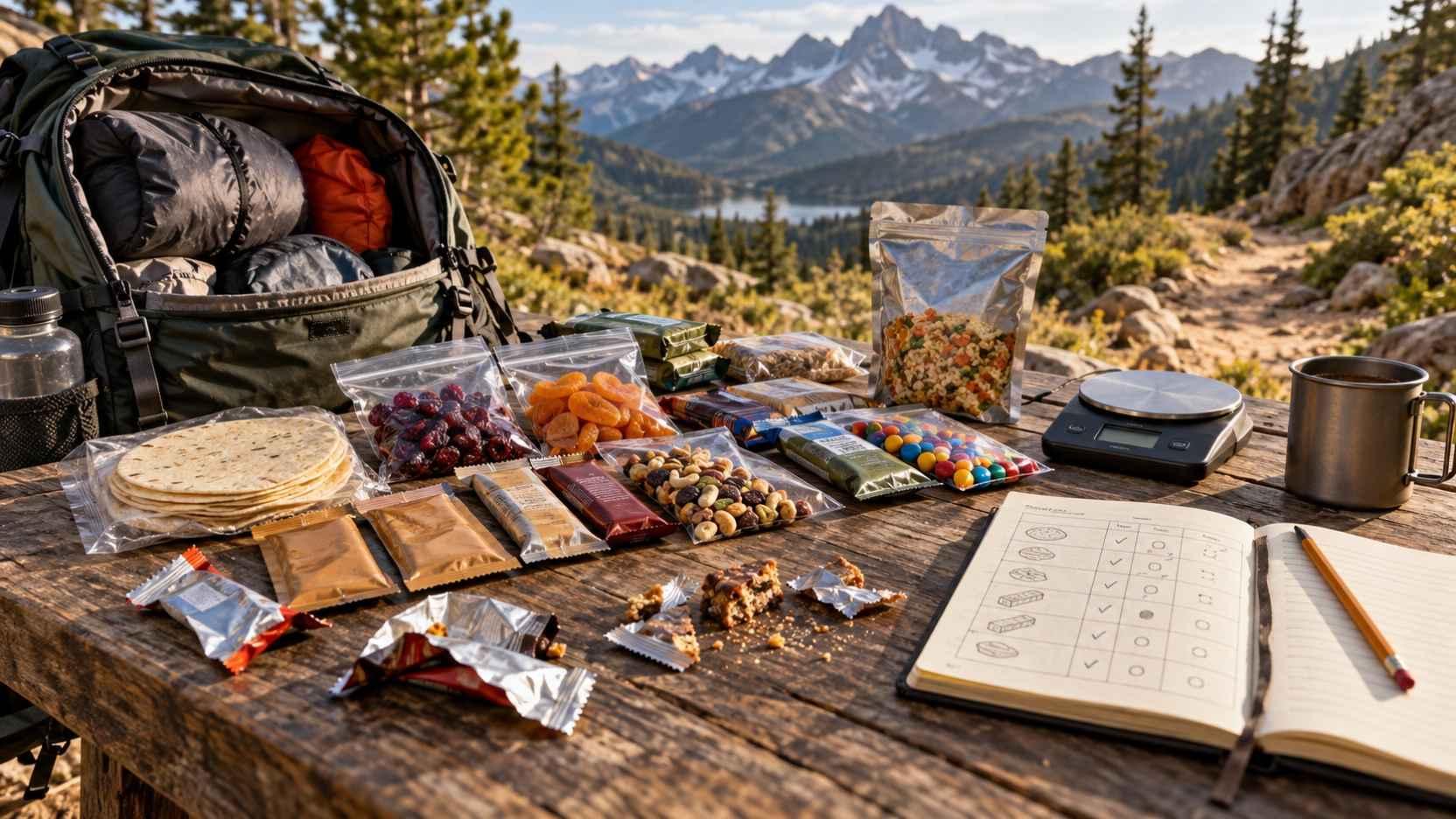
The Calories-to-Deliciousness Test: Which Trail Snacks Are Actually Worth Their Pack Weight?
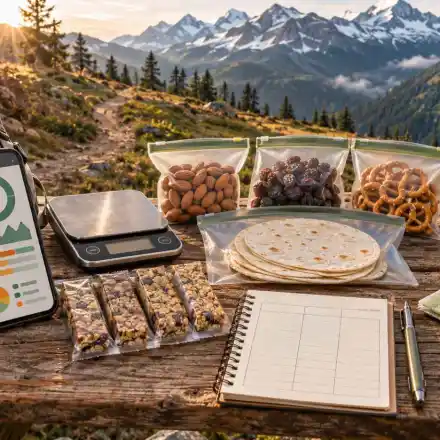
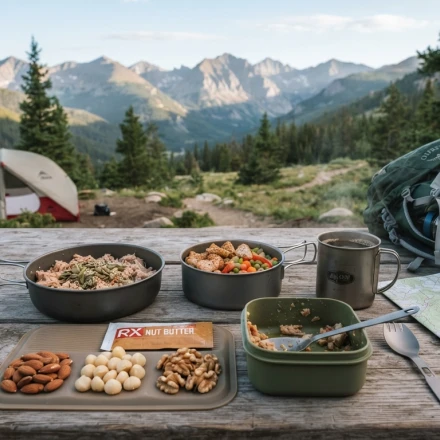
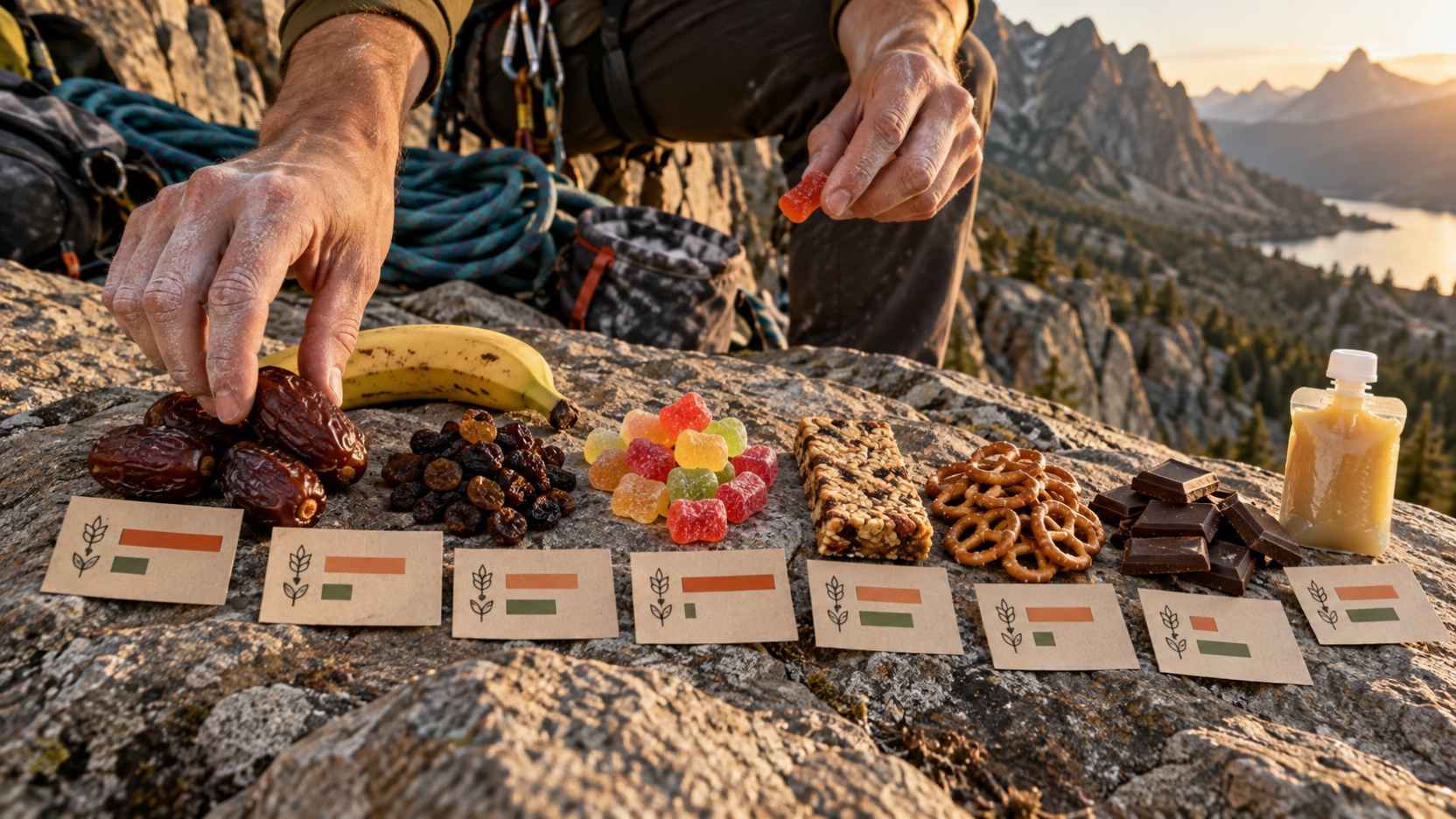
Introduction: The lightest menu isn’t automatically the best menu A backpacking menu can look brilliant in a spreadsheet and disappoint at mile twelve if every snack is repetitive, fragile, messy, or simply unappealing. 🎒 Calories per ounce…
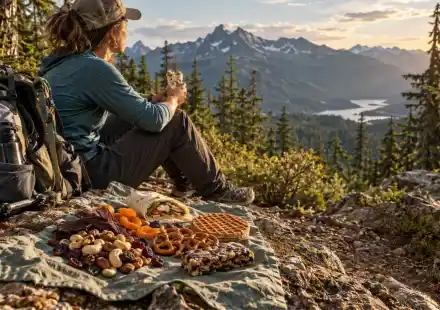
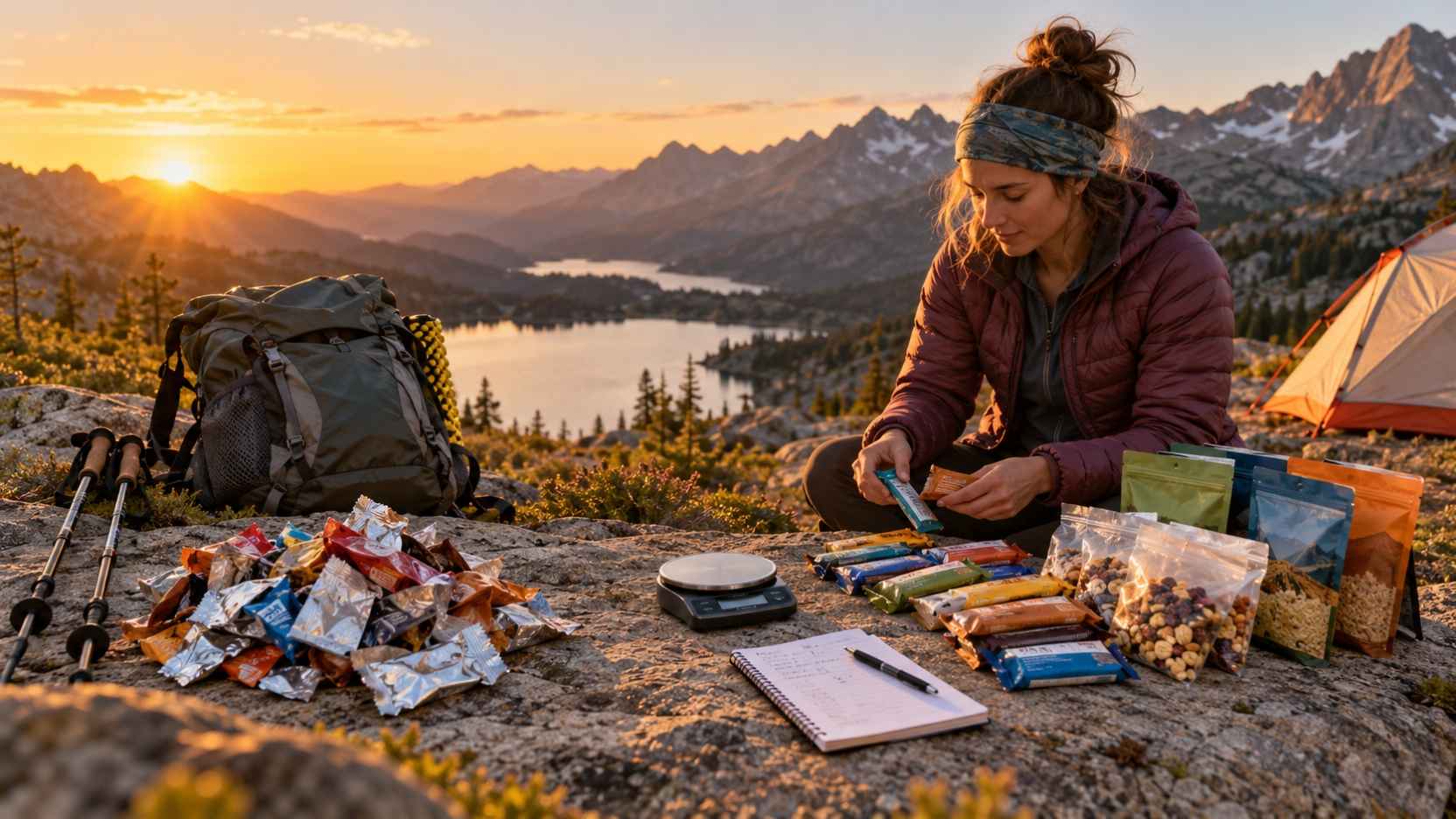
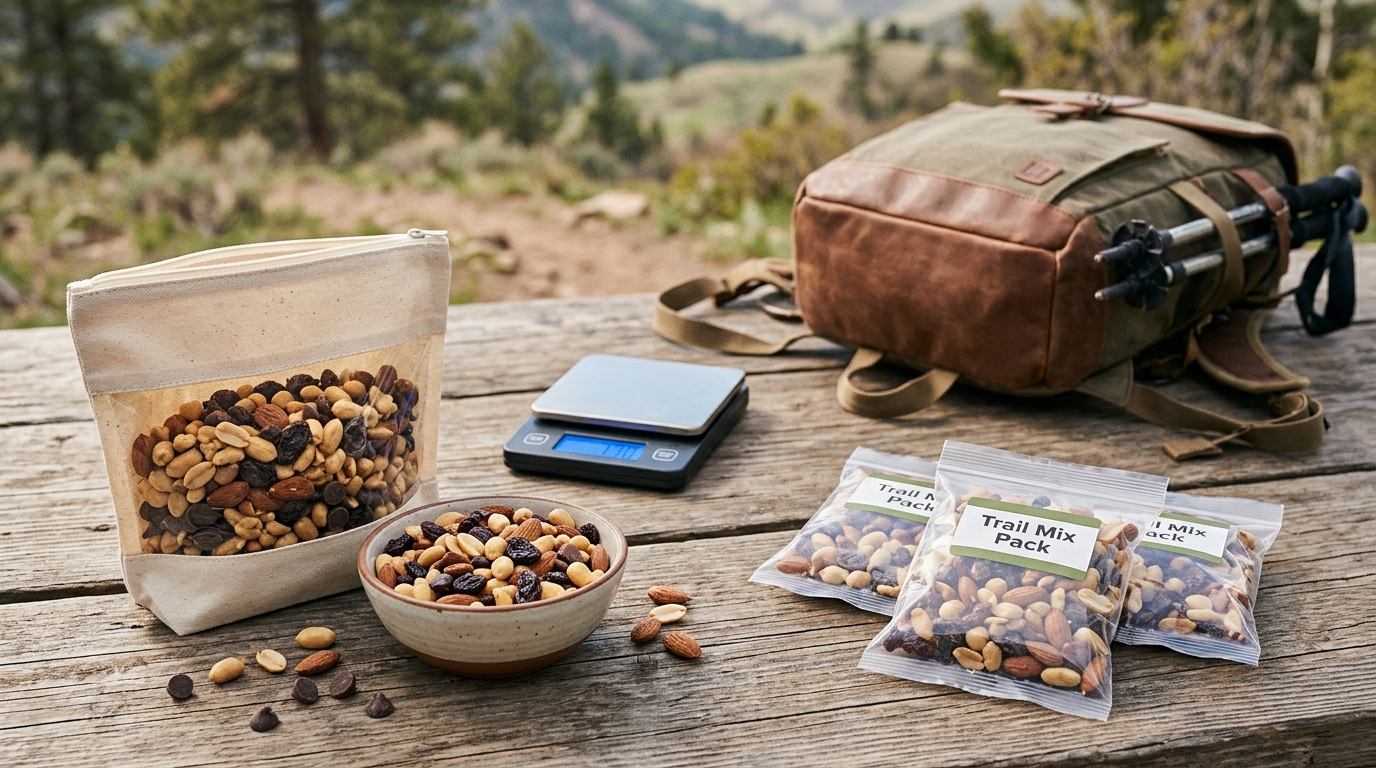
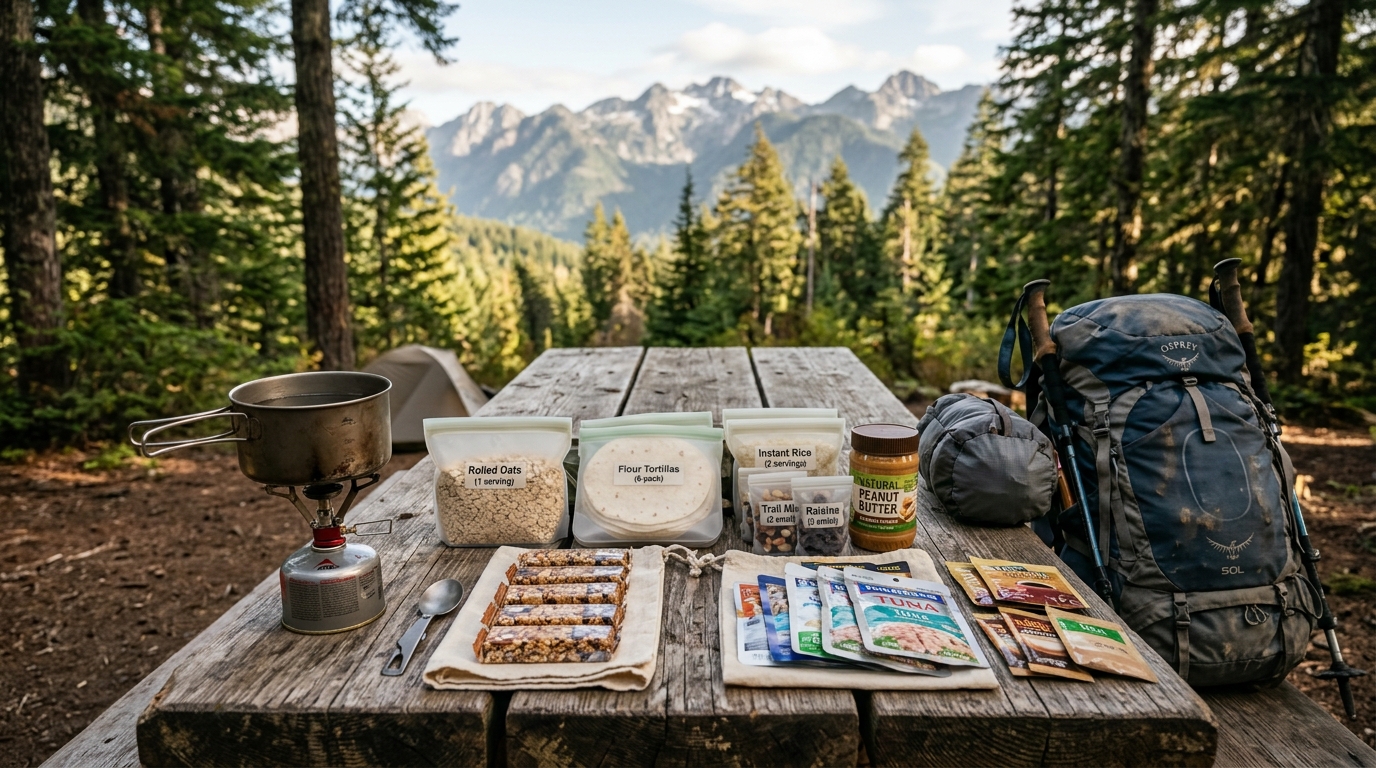
Stop Packing Six Protein Bars: Build a Hiking Snack Rotation You’ll Still Want at Mile 15
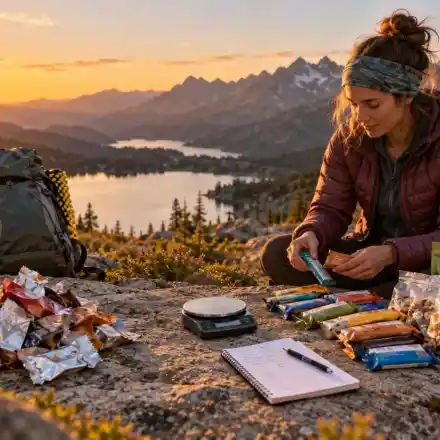
The Best Hiking Snack Can Become The Worst One By Mile 15 Packing six protein bars sounds efficient because they are compact, easy to count, and require absolutely no preparation, but efficiency at the kitchen counter does not guarantee that the sixth…
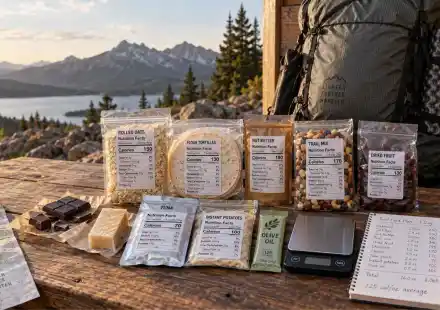
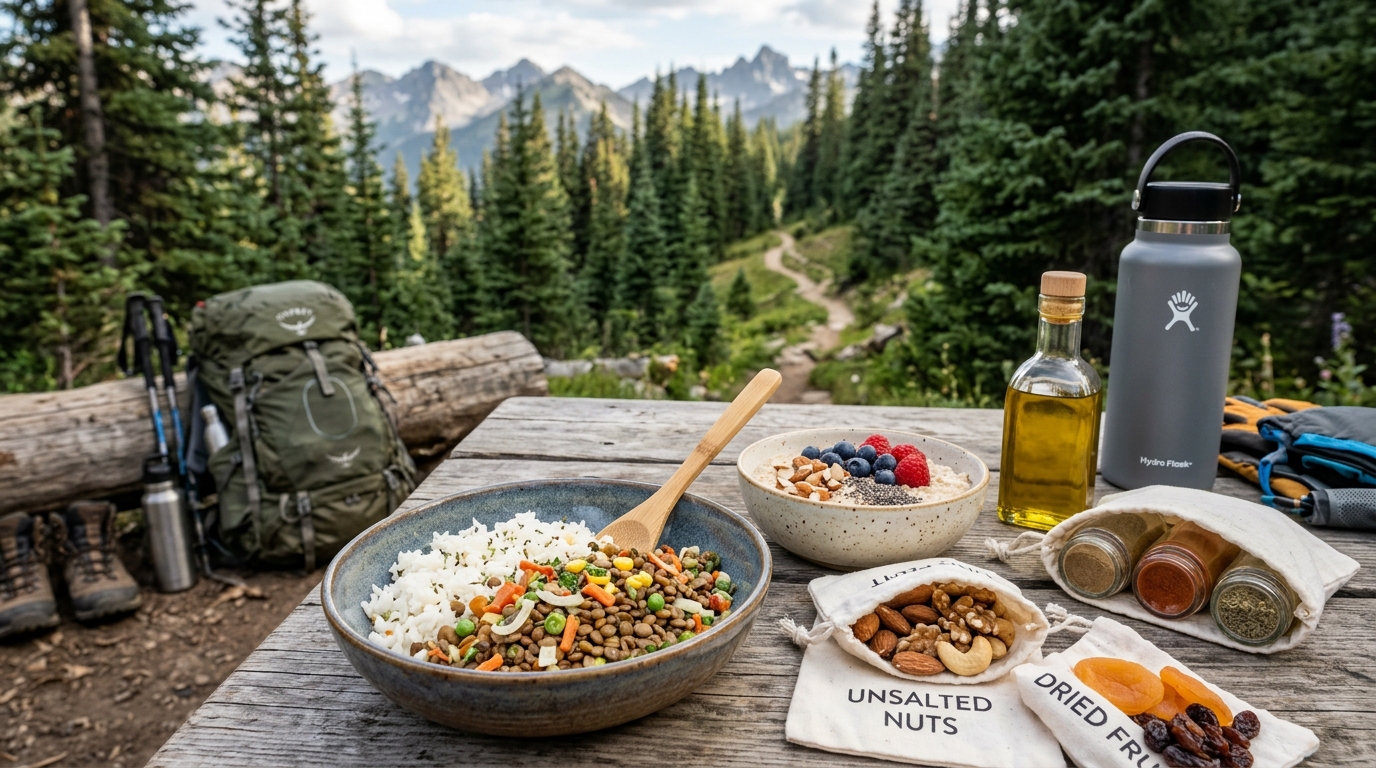
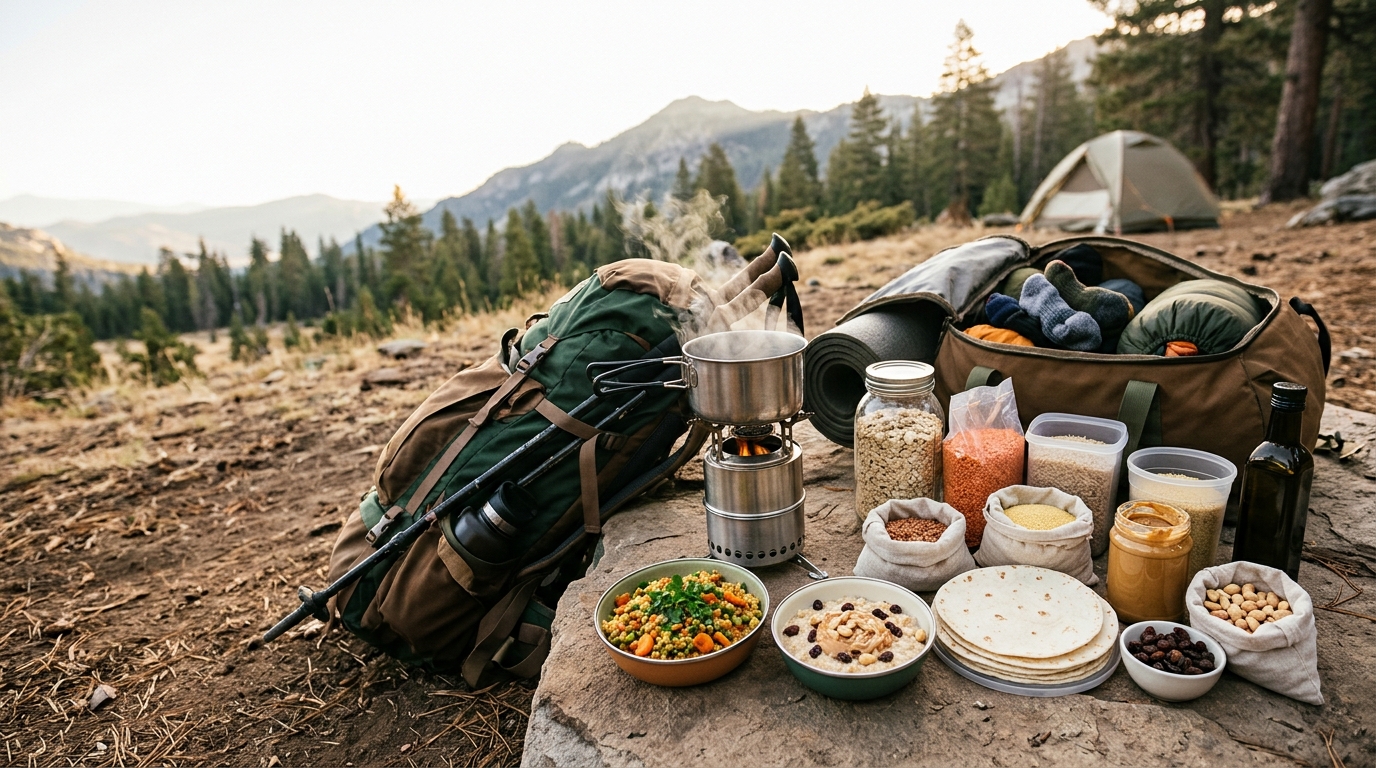
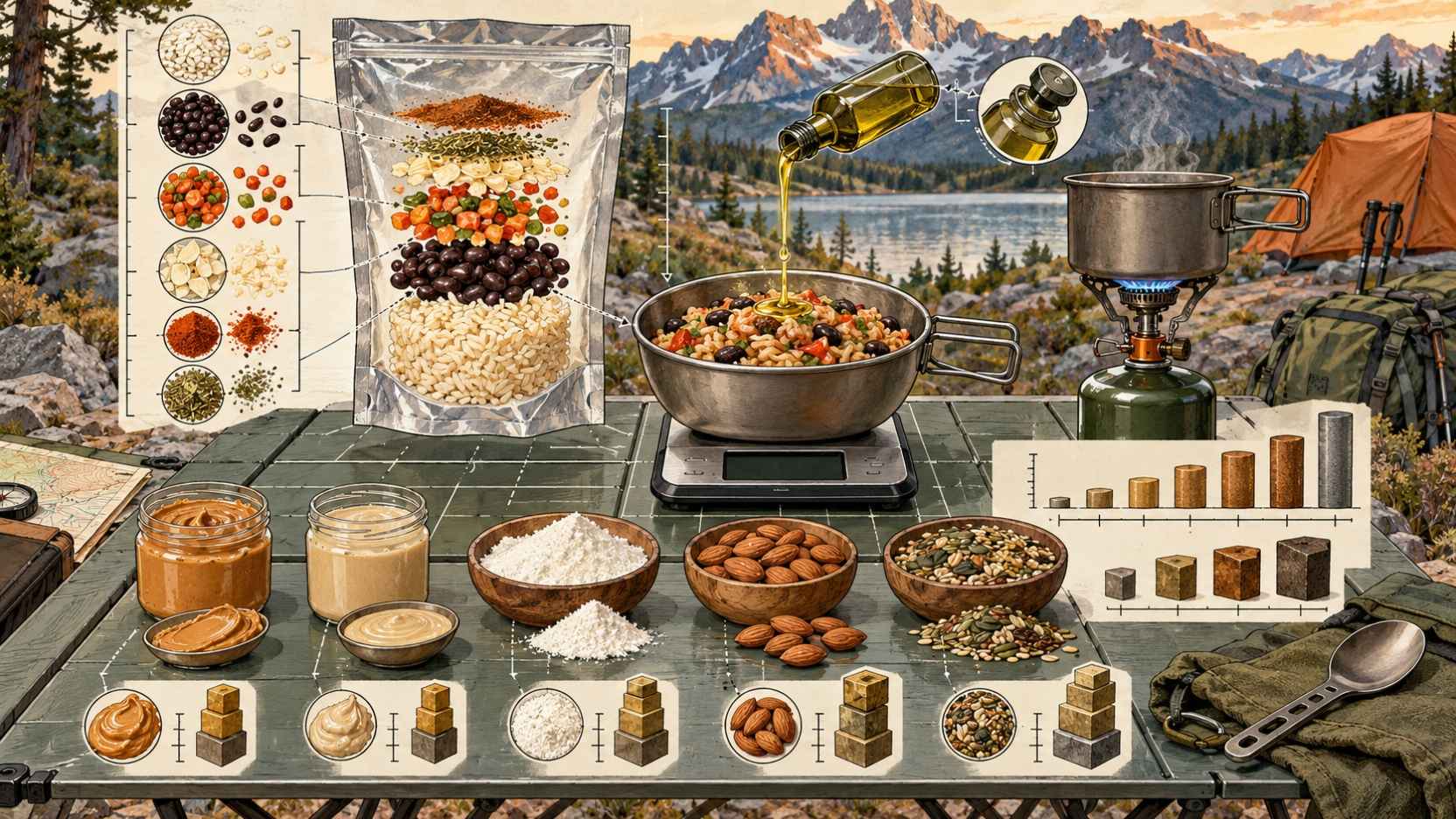
Stop Chasing the Highest-Calorie Food: Build a 125-Cal/Oz Backpacking Menu Instead
Backpacking food planning often becomes a contest to find the most calories for the least weight. 🎒 Calories per ounce matter because food can become one of the heaviest consumables in a multi-day pack, but one aggressive cutoff for every item can make a…
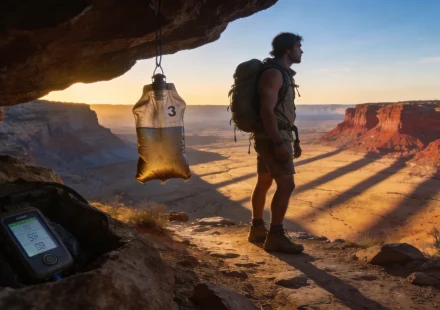
Ultralight Backpacking in Dry Environments: Water Tips
Imagine this: you’re 15 miles into a sun-baked canyon in the Southwest, your 3-liter bladder is dry, and the next cache is still a ridge away. In dry environments, water isn’t just weight—it’s life support. This guide moves beyond basic “carry more…